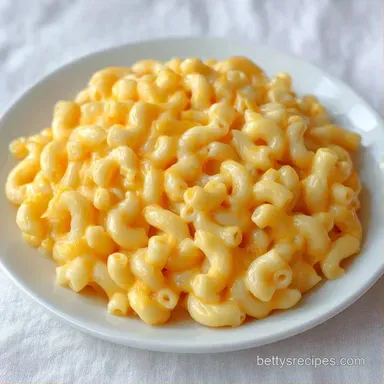
Mac and Cheese: Ultimate Easy Recipe

- Time: 5 min active + 10 min cook
- Flavor/Texture Hook: Silky, sharp cheddar sauce that clings to every noodle
- Perfect for: Stress free weeknight dinners or a quick side for the kids
The smell of bubbling butter and a hint of toasted flour always hits me first. It's that specific aroma that signals a rainy Tuesday is about to get a lot better. I usually whip this up when the kids have had a long day or I've just spent too many hours staring at a screen and need something that feels like a hug in a bowl.
You don't need a dozen pots or a culinary degree to get this right. We're keeping things efficient and using a few shortcuts that don't sacrifice the taste. This version of Mac and Cheese skips the long bake times and focuses on a sauce that stays smooth and glossy.
Expect a dish that is hearty and rich, but takes less than 20 minutes from start to finish. It's the kind of meal that makes the house smell like a cozy kitchen and leaves everyone satisfied without a mountain of dishes to scrub.
Creamy One Pot Mac and Cheese
The secret to a smooth sauce is managing the temperature of your dairy and the quality of your cheese. I once used pre shredded cheese for a big party, and the sauce ended up grainy because of the cornstarch coatings those brands use. Now, I only grate my own cheddar, and the difference is night and day.
Many people overcook their pasta in the water, thinking it needs to be soft before hitting the sauce. But the noodles keep cooking once they're submerged in that hot cheese sauce. If you boil them until they're fully soft, you'll end up with a bowl of mush.
To keep this stress free, I recommend having your milk at room temperature. Cold milk can shock the butter flour mixture, causing little lumps that are a pain to whisk out. It's a small detail, but it makes the process much smoother.
How the Sauce Stays Smooth
The Thickening Base: Cooking flour in butter for a minute removes the raw taste and creates a stable base. This prevents the sauce from separating when you add the cheese.
Starch Control: Undercooking the pasta by 2 minutes allows the noodles to absorb the sauce during the final merge. This creates a tighter bond between the pasta and the cheese.
Temperature Balance: Adding cheese over low heat prevents the proteins from tightening and leaking oil. This keeps the texture velvety instead of greasy.
| Method | Time | Texture | Best For |
|---|---|---|---|
| Stovetop | 15 mins | Silky and glossy | Fast weeknights |
| Baked | 45 mins | Crusty and firm | Potlucks/Holidays |
This approach is much faster than the oven method. While a bake gives you those brown crispy bits on top, the stovetop version provides that classic, flowing sauce that kids love. If you're looking for other quick bites, these pizza bites follow a similar "fast and satisfying" logic.
Component Analysis
| Ingredient | Science Role | Pro Secret |
|---|---|---|
| Unsalted Butter | Fat base | Use unsalted to control the sodium level |
| All Purpose Flour | Thickener | Cook for exactly 60 seconds to remove raw flavor |
| Sharp Cheddar | Flavor/Body | Grate it yourself to avoid anti clumping agents |
| Whole Milk | Emulsifier | Room temperature prevents sauce lumps |
Using whole milk is important here. According to Serious Eats, the higher fat content in whole milk helps stabilize the cheese emulsion, meaning your sauce is less likely to break or become grainy.
The Essential Ingredient List
- 225g (8 oz) elbow macaroni Why this? The hollow center holds the most sauce
- 42g (3 tbsp) unsalted butter Why this? Creates a rich, nutty roux
- 25g (3 tbsp) all purpose flour Why this? Stabilizes the liquid and fat
- 480ml (2 cups) whole milk, room temperature Why this? Ensures a silky, non clumpy texture
- 225g (2 cups) sharp cheddar cheese, freshly grated Why this? Strong flavor that doesn't get lost
- 3g (½ tsp) salt
- 1g (¼ tsp) black pepper
- 1g (¼ tsp) smoked paprika Why this? Adds a subtle depth without being spicy
| Original Ingredient | Substitute | Why It Works |
|---|---|---|
| Sharp Cheddar | Gruyère | Nuttier flavor. Note: Slightly more expensive |
| Whole Milk | Heavy Cream | Richer, thicker sauce. Note: Increases calories significantly |
| Elbow Macaroni | Cavatappi | Better "grip" for the sauce. Note: May need 1-2 extra mins boiling |
If you're serving this as a side dish, it goes great with something lean. I've found that pairing this Mac and Cheese with some turkey meatballs balances out the richness of the cheese perfectly.
Step-by-step Cooking Guide
- Bring a large pot of salted water to a rolling boil. Add the 225g macaroni and cook for 1–2 minutes less than the package directions. Note: This prevents the pasta from becoming mushy in the sauce.
- Drain the pasta in a colander and set it aside.
- Place a medium saucepan over medium heat and melt 42g butter until it bubbles.
- Whisk in 25g flour and cook for 60 seconds until it smells slightly nutty.
- Slowly pour in 480ml room temperature milk while whisking constantly. Simmer and whisk until the sauce thickens enough to coat the back of a spoon.
- Turn the heat to low. Stir in 3g salt, 1g pepper, and 1g smoked paprika.
- Gradually fold in 225g grated cheddar cheese, stirring gently until the sauce is a smooth liquid.
- Fold in the cooked macaroni and stir until the noodles are fully enveloped.
Fixing Common Texture Issues
Troubleshooting Common Issues

| Issue | Solution |
|---|---|
| Sauce grainy | This usually happens when the cheese is added to a sauce that is too hot. When cheddar hits boiling liquid, the proteins clump together and push the fat out. |
| Why is the pasta too soft | Overboiling the macaroni is the main culprit. Because the pasta continues to absorb moisture from the cheese sauce, it needs to be slightly firm (al dente) when you drain it. |
| Why is the sauce too thick | If the sauce becomes a paste, you likely simmered the roux too long or used too much flour. You can thin it out with a splash of extra milk or a tablespoon of the reserved pasta water. |
Quick Fix Checklist:
- ✓ Grated cheese by hand (no pre shredded bags)
- ✓ Milk is room temperature before adding
- ✓ Pasta drained 2 minutes before "done"
- ✓ Heat turned to low before adding cheese
- ✓ Whisk used constantly during the roux stage
Customizing Your Bowl
If you want to scale this recipe down for one or two people, just halve everything. Use a smaller saucepan so the milk doesn't evaporate too quickly. Since the volume is lower, the sauce will thicken faster, so keep a close eye on it.
For a larger crowd, double the ingredients but be careful with the spices. I usually only increase the salt and paprika to 1.5x the original amount to avoid overpowering the cheese. If you're doubling the batch, work in a larger pot to ensure you have enough room to fold in the pasta without breaking the noodles.
Chef's Tip: To add a deeper flavor, stir in a teaspoon of Dijon mustard or a pinch of nutmeg. It doesn't make the dish taste like mustard, but it makes the cheddar taste "cheesier."
Kitchen Truths
Some people claim you can make a creamy sauce without a roux by just melting cheese into milk. While possible, it often results in a sauce that breaks (separates) the moment it cools down. The flour butter base is there for stability, not just thickness.
Another common thought is that adding a lot of butter makes the sauce creamier. Actually, too much fat can prevent the cheese from emulsifying, leading to an oily film on top of your Mac and Cheese. Stick to the ratios for the best glide.
Leftover Handling Tips
Store any remaining Mac and Cheese in an airtight container in the fridge for up to 3 days. You'll notice the pasta absorbs the sauce as it sits, making it thicker.
When reheating, do not use the microwave on high, as this can make the cheese separate. Instead, put it in a small pot over low heat and add a splash of milk to loosen the sauce. Stir gently until it's velvety again.
For freezing, this dish is okay for up to 2 months, but the texture changes. To freeze, undercook your pasta even more (by 3-4 minutes) so it doesn't turn into paste upon thawing. Thaw in the fridge overnight before reheating on the stove.
Serving Your Dish
Serve this in warm bowls to keep the sauce from tightening up too quickly. A sprinkle of fresh parsley or a few cracks of black pepper on top adds a nice visual contrast to the yellow sauce.
If you want a bit of a crunch, you can transfer the finished Mac and Cheese to a baking dish, top with panko breadcrumbs and a bit of melted butter, and broil for 2-3 minutes. This gives you the best of both worlds: a creamy interior and a shatter crisp top.
For a full meal, serve it alongside steamed broccoli or a crisp green salad. The acidity of a vinaigrette cuts through the richness of the cheese, making the whole meal feel more balanced. Trust me, once you start grating your own cheese and timing your pasta boil, you'll never go back to the blue box.
Critical Sodium Level
1250 mg 1,250 mg of sodium per serving (54% 54% of daily value)
The American Heart Association recommends a daily sodium limit of 2,300 mg, with an ideal limit of 1,500 mg for most adults to reduce the risk of cardiovascular disease.
Tips to Reduce Sodium
-
Omit Added Salt-25%
Completely remove the 1/2 tsp of salt from the recipe, as the sharp cheddar cheese already provides a significant amount of sodium for flavor.
-
Swap the Cheese-15%
Replace the sharp cheddar with a low-sodium cheese alternative or a Swiss cheese, which naturally contains less sodium than cheddar.
-
Pureed Vegetable Boost-10%
Substitute half of the cheese with pureed cauliflower or butternut squash to maintain the creamy texture while reducing the total sodium content.
-
Enhance with Aromatics
Add freshly cracked black pepper, garlic powder, or a pinch of nutmeg to create a more complex flavor profile without adding sodium.
Recipe FAQs
How to make a very simple mac and cheese?
Boil elbow macaroni 1-2 minutes less than package directions. Create a roux with butter and flour, whisk in milk until thickened, and fold in cheddar cheese and seasonings on low heat.
What is the secret to a good mac and cheese?
Using freshly grated sharp cheddar. Pre-shredded cheese contains cellulose that prevents a smooth melt. If you enjoyed mastering the roux technique here, the same thickening principle works in our quick family pasta dinner.
What makes this a great dinner for picky eaters?
The consistent, creamy texture. Children often prefer the uniform smoothness of a melted cheddar sauce over dishes with mixed textures or strong, aromatic spices.
Is it true that pre-shredded cheese works just as well as freshly grated?
No, this is a common misconception. store-bought shreds are coated in anti-clumping agents that often result in a grainy, separated sauce.
How to prevent the pasta from becoming too soft?
Drain the macaroni while it is still slightly firm. Since the pasta continues to absorb moisture from the cheese sauce, undercooking it by 1-2 minutes ensures it stays al dente.
Why is my mac and cheese sauce grainy?
The sauce was too hot when the cheese was added. Boiling liquid causes cheddar proteins to clump together and push out the fat. Always lower the heat before stirring in the cheese.
How to adjust the sauce if it becomes too thick?
Whisk in extra room temperature milk. Add the milk gradually over low heat until the sauce is thin enough to smoothly coat the back of a spoon.
Mac and Cheese in 15 Minutes