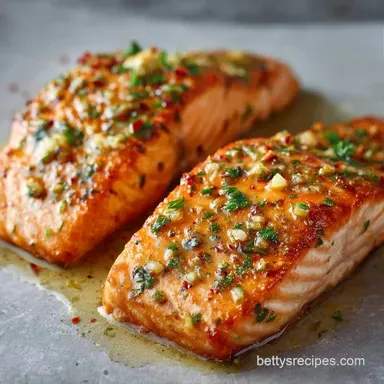
Baked Salmon for Two: 20-Minute Recipe

- Time: 5 min active + 15 min baking
- Flavor/Texture Hook: Buttery, citrusy, and flaky
- Perfect for: A stress free date night or a healthy weeknight dinner
- Baked Salmon for Two
- The Secret to Perfect Salmon
- Component Analysis
- Tools for a Simple Setup
- Ingredient Deep Dive
- Step-by-Step Baking Guide
- Solving Common Salmon Problems
- Troubleshooting Common Issues
- Ways to Swap Ingredients
- Adjusting the Portion Size
- Salmon Cooking Myths
- Storage and Leftover Tips
- Great Sides and Drinks
- Recipe FAQs
- 📝 Recipe Card
The smell of lemon juice hitting a hot fillet is honestly one of my favorite things in the kitchen. It's that sharp, bright scent that immediately tells you dinner is actually happening. I remember the first time I tried to do this for a partner, and I was so nervous about the fish getting dry that I undercooked it.
It was basically raw in the middle. Since then, I've learned that the secret isn't in the cooking time, but in the resting time.
That's the beauty of this setup. You aren't fighting with a frying pan or worrying about oil splattering all over your stove. You just slide the tray in and wait. It gives you a few minutes to pour a glass of wine or clear the table without hovering over the oven.
This Baked Salmon for Two is all about simplicity. We aren't doing anything fancy or using a million ingredients. Just butter, garlic, and lemon to make the fish shine. It's a hearty, joyful meal that feels like a treat but takes almost no effort.
Baked Salmon for Two
Right then, let's get into the details. When you're cooking for just two people, you have to be careful. Salmon fillets vary in thickness, and a few minutes too long can turn a velvety piece of fish into something that tastes like a chalkboard.
The goal here is a center that is just barely opaque and flakes apart with a fork.
I've found that using a rimmed baking sheet with parchment paper is the way to go. It prevents the skin from sticking and makes cleanup a breeze. If you've ever spent twenty minutes scrubbing burnt fish skin off a pan, you'll know why I'm so obsessed with parchment.
Trust me on this: don't overthink the seasoning. Salmon has a rich, fatty flavor that doesn't need much help. The salt and pepper build the base, and the butter garlic-lemon drizzle at the end provides that punch of acidity and richness. It's a stress free approach that works every single time.
The Secret to Perfect Salmon
Since we're skipping the fancy equipment, we rely on a few basic principles to make this work. It's not about magic, just a bit of heat management.
Moisture Control: Water is the enemy of a good sear. By patting the fish dry, we ensure the heat goes straight into the protein instead of boiling the surface.
The Temperature Jump: Using 425°F creates a quick exterior crust. This keeps the inside from drying out while the fish cooks through.
Carry Over Heat: The fish continues to cook after it leaves the oven. Removing it at 130°F is the trick to hitting a final 135°F-140°F without overshooting.
Fat Integration: Adding the butter and lemon at the end prevents the butter from burning in the oven. This keeps the garlic mellow and the lemon flavor fresh.
| Method | Time | Texture | Best For |
|---|---|---|---|
| Oven Baked | 15 mins | Even, velvety | Stress free dinner |
| Stovetop | 8 mins | Crispy skin, flaky | Fast, over high heat sear |
| Poached | 10 mins | Very moist, soft | Healthy/Light meals |
Component Analysis
Understanding why we use these specific items helps when you want to start improvising. Here is the breakdown of what's happening on the tray.
| Ingredient | Science Role | Pro Secret |
|---|---|---|
| Olive Oil | Heat Conductor | Helps salt adhere and prevents sticking |
| Kosher Salt | Protein Binder | Draws out surface moisture for a better texture |
| Lemon Juice | Acid Balance | Cuts through the heavy fats of the salmon |
| Melted Butter | Flavor Carrier | Binds the garlic and parsley into a silky sauce |
Tools for a Simple Setup
You don't need a professional kitchen for this. In fact, the fewer tools you use, the better. All you really need is a standard oven, a baking sheet, and a way to check the temperature.
I highly recommend a digital instant read thermometer. It's the only way to be 100% sure the fish is done. Relying on a fork or "looking at the color" is how most people end up with overcooked salmon. A quick probe into the thickest part of the fillet tells you exactly when to pull it out.
For the parchment paper, any brand works, but make sure it's not the wax paper kind. Wax paper can melt or smoke at 425°F, and that's a mess you don't want. A simple sheet of parchment or even a silicone mat is perfect for this recipe.
Ingredient Deep Dive
Here is exactly what you'll need. I've kept the list short because the quality of the fish does most of the heavy lifting here.
- 2 salmon fillets (6 oz each, skin on)Why this? Skin on protects the meat from direct heat. (Substitute: Trout fillets)
- 1 tbsp olive oilWhy this? High smoke point for oven heat. (Substitute: Avocado oil)
- 1/2 tsp kosher saltWhy this? Larger grains are easier to control. (Substitute: Sea salt)
- 1/4 tsp freshly cracked black pepperWhy this? Fresh pepper has more aroma. (Substitute: White pepper)
- 1 tbsp melted unsalted butterWhy this? Adds a rich, silky finish. (Substitute: Ghee or melted coconut oil)
- 1 clove garlic, mincedWhy this? Provides a sharp, savory contrast. (Substitute: 1/4 tsp garlic powder)
- 1/2 lemon, juicedWhy this? Brightens the overall flavor. (Substitute: Lime juice)
- 1 tsp dried parsleyWhy this? Adds a hint of earthiness. (Substitute: Fresh chopped parsley)
Step-by-step Baking Guide
Let's crack on with the actual cooking. Follow these steps for a result that looks and tastes professional.
- Preheat your oven to 425°F (218°C) and line a rimmed baking sheet with parchment paper. Note: Preheating ensures the fish starts cooking the second it hits the pan.
- Pat the salmon fillets thoroughly dry with paper towels on both sides. Until the surface feels completely matte and non sticky.
- Rub each fillet with olive oil and season generously with kosher salt and freshly cracked black pepper. Note: Rubbing the oil first helps the salt stick better.
- Place fillets skin side down on the parchment paper.
- Bake for 12 to 15 minutes until the internal temperature reaches 130°F (54°C).
- Remove from the oven immediately.
- Drizzle the melted butter, minced garlic, and lemon juice over the top of the hot fillets. Note: The heat from the fish will "bloom" the garlic flavor.
- Sprinkle the dried parsley over the butter sauce.
- Let the fillets rest for 5 minutes until the internal temperature reaches 135°F-140°F.
Solving Common Salmon Problems

Even with a simple recipe, things can go sideways. Usually, it's a matter of temperature or moisture.
Troubleshooting Common Issues
| Issue | Solution |
|---|---|
| Why Your Salmon Has White Stuff | That white, gooey substance is called albumin. It's just protein that pushes out of the muscle fibers when the fish is cooked too fast or too long. It's totally safe to eat, but it doesn't look great. |
| Why Your Salmon Sticks | If your fish is sticking to the pan, you likely didn't use enough oil or your parchment paper shifted. Always ensure the fillets are well oiled on the bottom. |
| Why Your Salmon is Dry | Dry salmon almost always comes from ignoring the carry over cooking. If you wait until the thermometer says 140°F in the oven, the fish will climb to 150°F while resting, which is way too high. |
Common Mistakes Checklist
- ✓ Patting fish dry with paper towels
- ✓ Using a digital thermometer for precision
- ✓ Resting the fish for 5 full minutes
- ✓ Adding lemon and butter after baking
- ✓ Lining the pan to prevent sticking
Ways to Swap Ingredients
This Baked Salmon for Two is a great base. Once you've got the timing down, you can change the flavors to suit your mood.
If you're looking for something a bit more indulgent, try a pesto crusted version. Just spread a tablespoon of basil pesto over the fillets before they go in the oven. For a keto friendly profile, replace the butter with a bit of extra virgin olive oil and add a sprinkle of parmesan cheese on top during the last 3 minutes of baking.
For a zesty honey garlic twist, mix a teaspoon of honey into the melted butter and lemon juice before drizzling. It adds a nice sweetness that pairs well with the salt. If you want a heartier meal, you might pair this with a Quick Family Pasta Dinner but keep the pasta light so it doesn't overpower the fish.
For a dairy-free swap, coconut oil works brilliantly as a substitute for butter. It has a similar fat content, though it adds a very slight tropical note. According to foodsafety.gov, ensuring your fish is stored at the correct temperature before cooking is key to maintaining quality and safety.
Adjusting the Portion Size
Cooking for two is great, but sometimes you have a crowd or you're flying solo.
Cooking for One: Use the same temperature and parchment setup. Since there's less mass in the oven, the fish might cook 1-2 minutes faster. Start checking the internal temp at the 11 minute mark.
Cooking for Four: Use a larger baking sheet to ensure the fillets aren't touching. If they are too crowded, they will steam instead of bake, and you'll lose that slight crust.
You can keep the temperature at 425°F, but you might need to add 2-3 minutes to the total time because the oven temp drops more when you load it up.
Large Batch Tip: If you're doing more than four fillets, don't overlap them. Work in batches if necessary. Salt and spices should be scaled linearly, but be careful with the garlic and lemon, you usually only need about 1.5x the amount for a double batch to get the same flavor punch.
Salmon Cooking Myths
There are a few things people always say about salmon that just aren't true.
Myth: Searing "seals in" the juices. This is a classic kitchen myth. Searing creates flavor and texture, but it doesn't create a waterproof barrier. Moisture loss happens regardless of how you start the cook. The goal is just to avoid overcooking the center.
Myth: You have to cook salmon until it's opaque all the way through. Actually, a slightly translucent center (medium rare to medium) is where the best texture lives. If you cook it until it's completely opaque, you've likely passed the point of peak juiciness.
Myth: Frozen salmon is lower quality. Modern flash freezing is incredible. As long as you thaw your fillets slowly in the fridge overnight, the difference in taste compared to "fresh" (which was likely frozen on the boat anyway) is negligible.
Storage and Leftover Tips
Leftover salmon is a bit tricky because reheating it can easily dry it out. If you have a piece left over, store it in an airtight container in the fridge for up to 2 days.
Reheating: Avoid the microwave if you can. Instead, put the salmon in a 275°F oven for about 10 minutes, or gently warm it in a pan with a tiny bit of butter over low heat. This keeps the texture from becoming rubbery.
Zero Waste: Don't throw away the salmon skin if you removed it! You can crisp it up in a pan separately to make "salmon chips." Also, any leftover lemon wedges can be frozen in an ice cube tray with a bit of water to use in future seafood stocks or sauces.
Great Sides and Drinks
To make this a full meal, you need something to balance the richness of the fish. Since the salmon is buttery and savory, go for something bright or earthy.
A side of Glazed Carrots adds a nice sweetness that complements the lemon garlic sauce perfectly. If you want something greener, steamed asparagus or a simple arugula salad with a balsamic vinaigrette works well.
For drinks, a crisp white wine like Sauvignon Blanc or a chilled sparkling water with a slice of cucumber keeps the palate refreshed. If you're avoiding alcohol, a ginger lime spritzer provides a zingy contrast to the fatty salmon.
This combination makes the Baked Salmon for Two feel like a restaurant meal without the restaurant price tag.
Recipe FAQs
Is baked salmon a good easy dinner recipe for two people?
Yes, it's an ideal choice. With only 5 minutes of prep and 15 minutes of cooking, it provides a high-protein meal without significant cleanup.
How to make easy baked salmon for two?
Preheat your oven to 425°F (218°C). Pat 6 oz fillets dry, rub with olive oil, salt, and pepper, then bake skin-side down for 12 to 15 minutes.
Should I leave the skin on when baking salmon for two?
Yes, keep the skin on. It acts as a barrier to prevent the fish from drying out and makes the fillets easier to handle.
Is this baked salmon recipe for two healthy?
Yes, it is very healthy. It relies on heart-healthy olive oil and fresh salmon, coming in at 477 kcal per serving.
What is the best side dish to pair with this salmon?
Steamed asparagus or a light quinoa salad work best. To round out the meal with a refreshing dessert, try a slice of lemon icebox pie.
Is it true that the white substance on baked salmon means it is spoiled?
No, this is a common misconception. That white substance is albumin, a protein that naturally pushes out of the muscle fibers during the cooking process.
How to reheat leftover baked salmon without drying it out?
Place the salmon in a 275°F oven for about 10 minutes. You can also gently warm it in a pan with butter over low heat to keep the texture tender.
Baked Salmon for Two in 20 Minutes