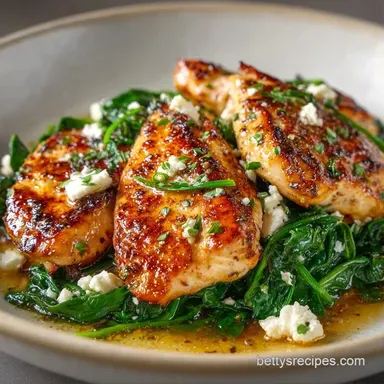
Stuffed Chicken Breast: Savory and Juicy

- Time: 15 min active + 20 min cook
- Flavor/Texture Hook: Mahogany sear with a velvety cream cheese center
- Perfect for: A stress free date night or healthy meal prep
- Juicy Stuffed Chicken Breast For Two
- Why Most Recipes Get This Wrong
- Component Analysis
- Shopping List Breakdown
- Equipment Needed
- From Prep to Plate
- How to Fix Common Problems
- Troubleshooting Common Issues
- Dietary Adaptations
- Freezing and Reheating Guide
- What to Serve This With
- Recipe FAQs
- 📝 Recipe Card
Juicy Stuffed Chicken Breast For Two
The sound of that first sizzle when the meat hits the hot oil is everything. For years, I thought you had to brine your meat for six hours or use some fancy vacuum sealer to avoid the "cardboard" texture.
I've spent way too many Tuesday nights chewing through overcooked meat, wondering why my dinner felt like a workout for my jaw.
Forget the idea that you need a professional kitchen or a 12 hour prep window to get a juicy result. The secret isn't in some magic soak, it's in the shape of the meat. Most people just throw a thick, uneven piece of protein in the pan and hope for the best, but that's a recipe for a burnt outside and a raw center.
We're making a Chicken Breast for Two that focuses on a simple, plan based flow. By flattening the meat and using a hybrid sear and bake method, we keep the juices inside. It's hearty, joyful, and honestly, a bit impressive for how little effort it takes.
Why Most Recipes Get This Wrong
Most guides tell you to just "stuff and bake," but that leaves you with a weird thickness gap. The thin end overcooks while the thick end is still cold. By pounding the meat, we create a uniform canvas. This means every single bite hits that 165°F mark at the exact same time.
Thickness Control: Pounding the meat to 3/4 inch ensures heat penetrates the center quickly without drying out the edges.
Heat Management: Searing first creates a mahogany crust, then the oven finish gently brings the internal temp up.
Moisture Buffer: The cream cheese and feta mix acts as an internal insulator, keeping the chicken breast from drying out from the inside.
The Sauce Secret: Deglazing the pan with lemon and broth picks up the browned bits, adding a hit of acidity that cuts through the rich cheese.
| Approach | Prep Time | Texture | Best For |
|---|---|---|---|
| Fast (Pan Only) | 10 mins | Slightly tougher | Quick lunch |
| Classic (Sear & Bake) | 15 mins | Velvety & Juicy | Date night |
| Slow Roast | 30 mins | Soft/Tender | Sunday dinner |
Component Analysis
Understanding why we use these specific items helps when you're staring at a nearly empty fridge. It's not just about flavor, it's about how the ingredients behave under heat.
| Ingredient | Science Role | Pro Secret |
|---|---|---|
| Chicken Breast | Main Protein | Pat bone dry for a better sear |
| Cream Cheese | Emulsifier | Soften at room temp for easier mixing |
| Feta Cheese | Acid/Salt | Use sheep's milk feta for a tangier punch |
| Lemon Juice | pH Balancer | Add at the very end to keep the brightness |
Shopping List Breakdown
Keep it simple. You probably have half of this in your pantry already. If you're looking for other ways to use these proteins, my Dinner for 2 Servings recipe is another great way to keep things easy.
- 1 lb (450g) boneless skinless chicken breasts Why this? Standard size for two people
- 1 tsp (5g) kosher salt Why this? Coarser grains for better surface seasoning
- ½ tsp (3g) cracked black pepper Why this? Fresh crack adds more heat
- 1 tbsp (15ml) olive oil Why this? High smoke point for searing
- 2 cups (60g) fresh baby spinach, chopped Why this? Mild flavor, wilts quickly
- 2 oz (56g) feta cheese, crumbled Why this? Adds salty, sharp contrast
- 1 clove (5g) garlic, minced Why this? Aromatic base for the filling
- 1 tbsp (15g) cream cheese, softened Why this? Binds the filling together
- 2 tbsp (28g) unsalted butter Why this? For a glossy pan sauce
- 1 tbsp (15ml) lemon juice Why this? Brightens the heavy cheese
- 2 tbsp (30ml) chicken broth Why this? Deglazes the pan bits
- 1 tsp (2g) fresh parsley, chopped Why this? Fresh finish
| Original Ingredient | Substitute | Why It Works |
|---|---|---|
| Feta Cheese | Goat Cheese | Similar tang. Note: Slightly creamier texture |
| Spinach | Kale (chopped) | Same nutrients. Note: Needs a quick sauté first |
| Chicken Broth | Dry White Wine | Similar acidity. Note: Adds a more sophisticated note |
| Cream Cheese | Ricotta | Good binder. Note: More grainy, less cohesive |
Equipment Needed
You don't need a kitchen full of gadgets. Just a few basics will do. I usually use a Cast Iron skillet because it holds heat so well, but any oven safe pan works.
- Meat mallet or a heavy rolling pin
- Plastic wrap (two large sheets)
- Oven safe skillet (10 or 12 inch)
- Meat thermometer (Digital is best)
- Small mixing bowl
- Toothpicks (4-6 pieces)
Chef's Note: If you don't have a mallet, just put the meat in a Ziploc bag and whack it with the bottom of a heavy frying pan. It's a bit chaotic, but it works.
From Prep to Plate

Let's crack on. Follow these steps for a stress free flow.
Flattening the Meat
Place chicken breasts between two sheets of plastic wrap. Use a meat mallet to pound the thickest part of the breast until it is an even ¾ inch (2cm) thickness. Season both sides with salt and pepper. Note: Plastic wrap prevents the meat from tearing.
Folding in the Flavor
In a small bowl, combine chopped spinach, crumbled feta, minced garlic, and cream cheese. Mix until a thick paste forms. Mound 2 tablespoons (30g) of filling onto the center of each breast and fold the edges over, securing with 2-3 toothpicks.
Searing for Color
Heat olive oil in an oven safe skillet over medium high heat. Sear chicken for 3-5 minutes per side until a mahogany colored crust forms. Note: Don't move them too early or they'll stick.
Finishing in the Oven
Transfer the skillet to a preheated 400°F (200°C) oven and bake for 8-12 minutes, or until the internal temperature reaches 165°F (74°C). Let the chicken rest on a plate for 5 minutes. According to Serious Eats, resting allows the juices to redistribute, which is why the meat stays velvety.
Creating the Pan Sauce
Place the skillet back on the burner over medium heat. Melt butter, then whisk in lemon juice and chicken broth, scraping the browned bits from the pan until the sauce is reduced by half. Garnish with parsley.
How to Fix Common Problems
Even the best home cooks have mishaps. Usually, it's just a matter of temperature or timing. If you're doing this for a bigger group, you can pair it with a Broccoli Casserole recipe to fill out the table.
Troubleshooting Common Issues
| Issue | Solution |
|---|---|
| Why Your Breast for Two is Dry | This usually happens if you skip the rest period. When you pull meat from a 400°F oven, the fibers are tight. If you cut it immediately, the juice runs out onto the board. Let it sit for 5 minutes. |
| Why the Filling Leaks | Filling leaks happen when the cheese is too soft or you overstuff the meat. Stick to 2 tablespoons per breast. Also, make sure your toothpicks are angled deep into the meat, not just the surface. |
| Why the Sauce is Greasy | If the butter separates from the broth, your heat is too high. Keep it on medium and whisk constantly. The lemon juice helps the emulsion stay together. |
Common Mistakes Checklist
- ✓ Didn't pat the meat dry before oiling (causes steaming, not searing)
- ✓ Overfilled the center (leads to "blowouts" in the oven)
- ✓ Skipped the plastic wrap when pounding (creates messy tears)
- ✓ Forgot to preheat the oven (extends cook time and dries out edges)
- ✓ Used a non oven-safe pan (handle will melt or pan will warp)
Dietary Adaptations
Whether you're cooking for a picky eater or a specific diet, this breast for two is flexible. Just keep an eye on the moisture levels when you swap ingredients.
Scaling Down If you're just cooking one piece of chicken breast, use a smaller 8 inch skillet. Reduce the sauce ingredients by half, but keep the searing time the same.
Scaling Up When doubling the recipe for four people, don't just double the salt. Use about 1.5x the seasoning to avoid oversalting. Work in batches when searing; if you crowd the pan, the meat will boil in its own juices rather than browning.
The Low Carb Swap This recipe is naturally low carb. To keep it that way, avoid adding any flour to the pan sauce. The butter and broth reduction provide plenty of thickness.
The dairy-free Twist Replace feta and cream cheese with a cashew based ricotta and nutritional yeast. Note that the "binding" won't be as strong, so use extra toothpicks to keep the filling in place.
Freezing and Reheating Guide
You can definitely prep this in advance. I often make extra and stash them for a quick lunch later in the week.
Freezing Instructions You can freeze the stuffed chicken breast before cooking. Wrap each piece tightly in plastic wrap, then place them in a freezer bag. They'll stay good for about 3 months. Thaw in the fridge overnight before following the searing and baking steps.
Reheating for Tenderness Avoid the microwave if you can. It turns the chicken breast into rubber. Instead, place the meat in a baking dish with a splash of chicken broth. Cover with foil and heat at 300°F for 10-15 minutes. This steams the meat back to life.
Zero Waste Tips Don't throw away the spinach stems or the garlic skins. I keep a "stock bag" in the freezer for these scraps. Once it's full, I simmer them with some water and a bay leaf to make a quick vegetable broth for future pan sauces.
What to Serve This With
Since the stuffed chicken breast is quite rich due to the feta and cream cheese, you want sides that bring some brightness or crunch.
The Light Pairing A simple arugula salad with a lemon vinaigrette works best. The peppery greens cut right through the richness of the cheese. Roast some asparagus in the same oven at 400°F for 10 minutes while the meat rests.
The Comfort Pairing If you're feeling hungry, serve this over a bed of buttery mashed potatoes or wild rice. The pan sauce is basically liquid gold, so you want something that can soak it up.
The Mediterranean Approach Quinoa with chopped cucumbers, olives, and a squeeze of lemon creates a cohesive meal. It mirrors the flavors inside the meat and keeps the plate feeling fresh.
Honestly, the most important part of this whole process is just trusting your thermometer. Once that chicken breast hits 165°F, get it out of the heat. You'll end up with a dinner that feels fancy but took almost no effort. Happy cooking!
Recipe FAQs
How much chicken breast for 2 people?
Use 1 lb (450g) of boneless skinless chicken breasts. This amount provides two generous portions that perfectly match the filling and sauce proportions.
Can a diabetic eat baked chicken?
Yes, baked chicken is an excellent choice. Lean protein and fresh spinach help maintain stable blood sugar levels for those with diabetes.
How to cook chicken for someone with gastritis?
Skip the searing step and bake the chicken gently. Reduce the garlic and lemon juice to minimize acidity and stomach irritation.
Is chicken breast good for high blood pressure?
Yes, it is a heart-healthy protein. Simply reduce the amount of kosher salt used during seasoning to make it more blood-pressure friendly.
What are some easy dinner recipes for two people?
Try this stuffed chicken or a simple skillet meal. If you enjoy the one-pan efficiency here, you can use the same technique in our sweet potato bean skillet.
How to keep the cheese filling from leaking?
Limit the filling to 2 tablespoons per breast. Secure the edges with toothpicks angled deep into the meat to prevent the cheese from leaking.
Why is the chicken breast dry after baking?
You likely skipped the resting period. Let the meat sit for 5 minutes after removing it from the 400°F oven to prevent juices from running out.
Chicken Breast for 2 Servings: Stuffed