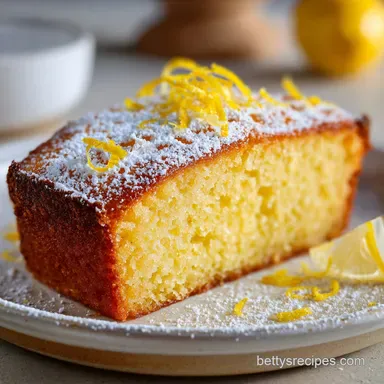
Italian Lemon Ricotta Cake: Velvety and Moist
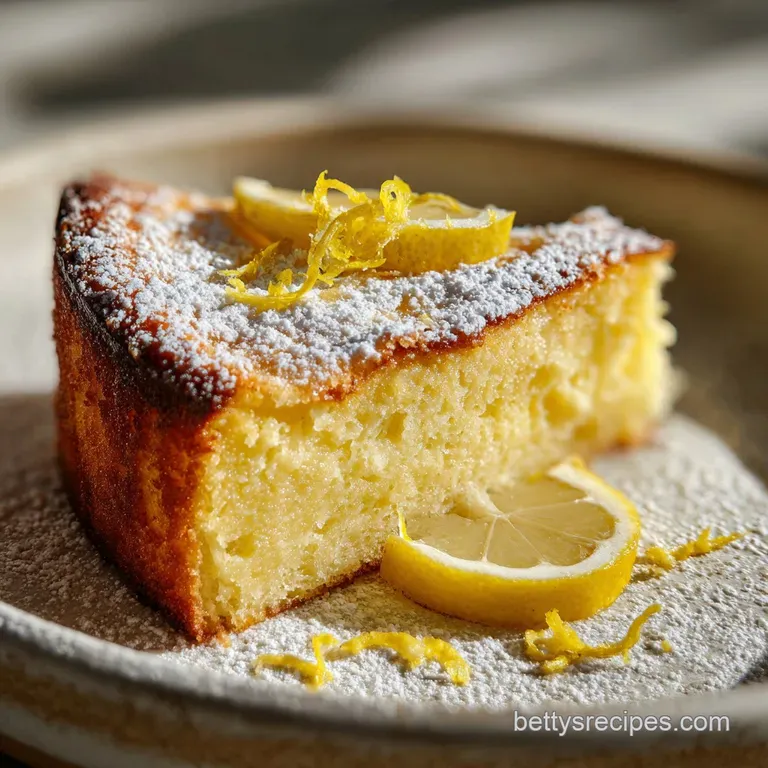
- Time:15 minutes active + 55 minutes baking = Total 70 minutes
- Flavor/Texture Hook: Velvety, citrus forward crumb with a slight almond nuttiness
- Perfect for: Sunday family lunches, bridal showers, or a nostalgic afternoon tea
- Moist Italian Lemon Ricotta Cake with Sicilian Zest
- The Secret to Velvety Crumbs
- Picking Your Fresh Ingredients
- Essential Baking Tools
- The Detailed Baking Process
- Fixing Common Baking Errors
- Troubleshooting Common Issues
- Creative Flavor Twists
- Storage and Waste Tips
- Best Pairing Suggestions
- Recipe FAQs
- 📝 Recipe Card
Moist Italian Lemon Ricotta Cake with Sicilian Zest
That specific scent of citrus and warm sugar always takes me back to my grandmother's kitchen in the hills of Sicily. I can still see her standing by the window, the golden afternoon light hitting the flour dust in the air, while she meticulously zested lemons from the tree just outside the door.
The kitchen would smell like a concentrated burst of sunshine, and we'd wait with baited breath for that first slice of cake. Discover how to bake the perfect Moist Italian Lemon Ricotta Cake with Sicilian Zest.
This isn't just another lemon cake. It's a piece of family history, a recipe passed down through whispers and handwritten scraps of paper. Growing up, this cake was the center of every celebration, from birthdays to name days.
It’s a dessert that doesn't try too hard, relying on the quality of the cheese and the punch of the fruit to do the heavy lifting.
When you take your first bite, you'll notice it's not airy like a sponge cake, but rather silky and substantial. It's the kind of treat that feels like a hug from a relative you haven't seen in years.
I've spent a lot of time in my own kitchen trying to recreate that exact texture, and it all comes down to how you handle the ricotta. If you're ready for a slice of Italy, let's get into it.
The Secret to Velvety Crumbs
I used to wonder why some lemon cakes felt like eating a cloud and others felt like eating a brick. This one hits the sweet spot. It's all about how the ingredients interact to keep things moist without becoming gummy.
Fat Integration: Beating the butter and ricotta together creates a stable emulsion that traps air while keeping the crumb silky.
Moisture Anchor: Almond flour doesn't absorb liquid the way wheat flour does, so it leaves more moisture available for the cake.
Acidity Balance: The lemon juice reacts with the baking powder to provide a gentle lift, ensuring the cake isn't too heavy.
Protein Structure: Ricotta adds a subtle creaminess and structural support, which prevents the cake from collapsing.
| Servings | Ingredient Adjustments | Pan Size | Cook Time |
|---|---|---|---|
| 5 people | Half all ingredients | 6 inch pan | 40-45 mins |
| 10 people | Use official recipe | 9 inch pan | 50-55 mins |
| 20 people | Double all ingredients | Two 9 inch pans | 50-55 mins |
Picking Your Fresh Ingredients
The beauty of this recipe is its simplicity, but that means you can't hide behind additives. You need the real stuff. For the flour, I always suggest cake flour because it has a lower protein content, which is a key tip shared by King Arthur Baking to ensure a tender crumb.
For the lemons, try to find organic ones. Since we're using a generous amount of zest, you don't want any wax or pesticides ending up in your batter. Sicilian lemons are the gold standard because they have a thicker skin and a more floral aroma, but any high-quality lemon will work if you're in a pinch.
Don't overlook the ricotta. Use full fat, whole milk ricotta. low-fat versions have too much water and not enough fat, which will leave your cake feeling lean and disappointing. If your ricotta seems very wet, let it drain in a fine mesh sieve for an hour before starting. This is a technique often recommended by experts at Serious Eats to prevent the batter from splitting.
Component Deep Dive
| Ingredient | Science Role | Pro Secret |
|---|---|---|
| Full Fat Ricotta | Provides moisture and structure | Drain for 1 hour to avoid a "soggy" center |
| Almond Flour | Adds fat and tenderness | Sift with cake flour to prevent clumps |
| Sicilian Zest | Concentrated aromatic oils | Rub zest into sugar to release flavor |
| Cake Flour | Low protein for softness | Don't overmix or you'll develop gluten |
Essential Baking Tools
You don't need a professional bakery to make this happen, but a few specific tools make the process much smoother. I use a stand mixer (like a KitchenAid) for the creamed butter and ricotta, though a hand mixer works just fine if you've got the arm strength.
The most important piece of gear is the springform pan. Because this cake is so moist and tender, trying to flip it out of a standard round pan is a recipe for disaster. The springform allows you to release the sides without disturbing the delicate structure.
Also, grab a fine mesh sifter. Sifting the cake flour and almond flour together is non negotiable. It ensures that the baking powder is evenly distributed and that you don't end up with little pockets of almond flour in the finished slice.
The Detailed Baking Process
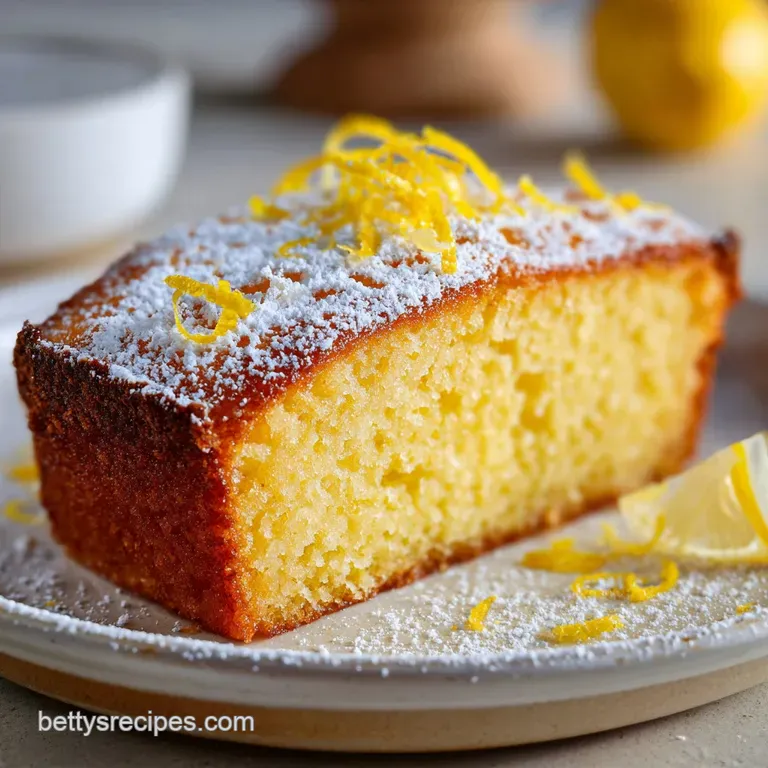
Right then, let's get this moving. Make sure your butter and eggs are truly at room temperature. If the butter is too cold, it won't cream; if the eggs are cold, they'll curdle the batter.
Phase 1: The Foundation
- Preheat your oven to 350°F (175°C). Grease a 9 inch springform pan and line the bottom with parchment paper Note: This ensures the cake releases without sticking.
- In a medium bowl, sift together the 1.5 cups (180g) cake flour, 0.5 cup (50g) almond flour, 1 tbsp (12g) baking powder, and 0.5 tsp (3g) salt; set aside.
Phase 2: The Aeration Stage
- In a large bowl, combine the 0.75 cup (170g) softened butter, 1 cup (200g) granulated sugar, and 1 cup (225g) drained ricotta cheese. Beat on medium high speed for 4–5 minutes until pale and fluffy.
- Add the 3 large eggs one at a time, beating well after each addition Note: This prevents the emulsion from breaking. Stir in the 2 tbsp (12g) Sicilian lemon zest and 1 tsp (5ml) pure vanilla extract.
Phase 3: The Folding Process
- Lower the mixer speed to the lowest setting. Gradually add the dry flour mixture in three batches.
- Slowly pour in the 3 tbsp (45ml) fresh lemon juice while mixing. Stop immediately when no streaks of flour remain Note: Overmixing here leads to a tough cake.
Phase 4: The Bake and Finish
- Pour the batter into the prepared pan and smooth the top with a spatula.
- Bake for 50–55 minutes until the edges are golden brown and the center is set.
- Once cooled, whisk together 1 cup (120g) powdered sugar, 2 tbsp (30ml) fresh lemon juice, and 0.5 tsp (1g) lemon zest. Drizzle over the top for a tart finish.
Chef's Note: To get that professional look, let the cake cool completely in the pan before removing the ring. If you try to move it while it's hot, the ricotta structure is still too fragile and might crack.
Fixing Common Baking Errors
Even the best of us have a "cake catastrophe" every now and then. Usually, it's something small that can be easily fixed if you know what to look for.
Troubleshooting Common Issues
| Issue | Solution |
|---|---|
| Why Your Cake is Gummy | If the center of your cake feels damp or gummy even after the timer goes off, it's likely due to the ricotta. Too much moisture in the cheese can prevent the flour from setting. Check the internal tem |
| Why the Batter Curdled | If you see little beads of fat separating after adding the eggs, don't panic. This happens when the eggs are too cold. You can usually fix this by adding a tablespoon of your flour mixture and beating |
| Why the Center Sank | A sunken center usually means the oven door was opened too early, letting in a cold draft, or the baking powder was expired. Always trust your nose and the visual cues of the golden edges before peeki |
Creative Flavor Twists
While the original version is a classic, I love playing around with this base. If you're looking for something slightly different, you can lean into a more "dessert like" profile by adding a splash of Limoncello.
For a boozy twist, replace one tablespoon of the lemon juice in the batter with Limoncello. It adds a deeper, more candied citrus note that feels very sophisticated for a dinner party. If you want a nuttier profile, you can replace the almond flour with finely ground hazelnuts.
If you're craving something a bit lighter or looking for dietary alternatives, you might enjoy a lemon yogurt cake which uses a different moisture agent but keeps that bright citrus punch.
| Original Ingredient | Substitute | Why It Works |
|---|---|---|
| Cake Flour (1.5 cups) | All Purpose (1.5 cups) | Works fine. Note: Slightly denser crumb than cake flour |
| Almond Flour (0.5 cup) | Ground Hazelnuts (0.5 cup) | Similar fat content. Note: Adds a deeper, toasty flavor |
| Ricotta (1 cup) | Mascarpone (1 cup) | Higher fat content. Note: Much richer, less tangy result |
But wait, what if you want a different texture entirely? Let's look at how this compares to other methods.
| Method | Time | Texture | Best For |
|---|---|---|---|
| Oven Bake | 55 min | Velvety and structured | Classic celebrations |
| Stovetop (Steamed) | 90 min | Pudding like and moist | Ultra soft preference |
Decision Shortcut: If you want a tart finish, double the lemon zest in the glaze. If you want a denser, fudgy texture, reduce the baking powder by half. If you want a nutty aroma, toast the almond flour for 5 minutes before adding.
Storage and Waste Tips
This cake is surprisingly hardy. Because of the ricotta and almond flour, it stays moist much longer than a standard sponge. I recommend keeping it under a cake dome or in an airtight container at room temperature for up to 3 days.
If you live in a very humid climate, the fridge is your best bet, but let it come back to room temperature before serving to restore that velvety feel.
For freezing, wrap individual slices in parchment paper and then foil. They'll stay fresh for up to 3 months. To reheat, just pop a slice in the microwave for 15 seconds, and it tastes like it just came out of the oven.
To avoid waste, don't throw away those lemon peels! After zesting, you can freeze the peels in a small bag to use for making homemade candied peel or infusing olive oil. Even the leftover ricotta from the tub can be whipped with a bit of honey and cinnamon for a quick breakfast topping.
Best Pairing Suggestions
When it comes to serving a Moist Italian Lemon Ricotta Cake with Sicilian Zest, you want something that complements the creamy texture without overpowering the lemon. A dollop of freshly whipped cream or a handful of macerated raspberries provides a sharp contrast to the richness of the cake.
If you're serving this as part of a larger dessert spread, I suggest something with a completely different profile. For instance, these tiramisu cupcakes offer a bold, coffee driven flavor that balances the bright acidity of the lemon cake perfectly.
For a drink pairing, a chilled glass of Prosecco or a light Earl Grey tea is the way to go. The bubbles in the wine cut through the fat of the ricotta, while the bergamot in the tea echoes the citrus notes of the cake. It's a simple combination, but it's exactly how we do it back home.
Trust me on this, the contrast is what makes it work.
Recipe FAQs
What is a Sicilian ricotta cake called?
Torta di Ricotta. This traditional dessert uses ricotta cheese to create a dense, moist crumb that differs from a light sponge cake.
Is the lemon cake from the Amalfi Coast different from this ricotta cake?
No, they are very similar. Both rely on high-quality citrus and often use ricotta for a velvety texture; if you loved the sweet-tart balance here, see how we use similar refreshing notes in our matcha cooler.
How to prevent the cake center from becoming gummy?
Drain the ricotta cheese thoroughly before mixing. Excess moisture in the cheese can prevent the cake flour and almond flour from setting properly during the 50–55 minute bake.
How to fix batter that curdles after adding eggs?
Beat in a tablespoon of the flour mixture. This helps re-emulsify the fat and eggs if they were too cold when combined.
Is it true that I must store this cake in the refrigerator to keep it fresh?
No, this is a common misconception. An airtight container at room temperature works for up to 3 days; refrigeration is only necessary in extremely humid climates.
How to store and reheat leftover slices?
Wrap individual slices in parchment paper and foil for freezing. They stay fresh for 3 months and can be reheated in the microwave for 15 seconds.
What is the most famous cake in Italy?
It varies by region, but ricotta cakes are southern staples. While Panettone is globally recognized, Torta di Ricotta represents the heart of Sicilian home baking.
Italian Lemon Ricotta Cake: Velvety