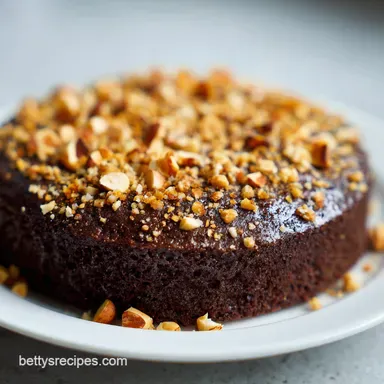
Hazelnut Espresso Cake: Velvety and Moist
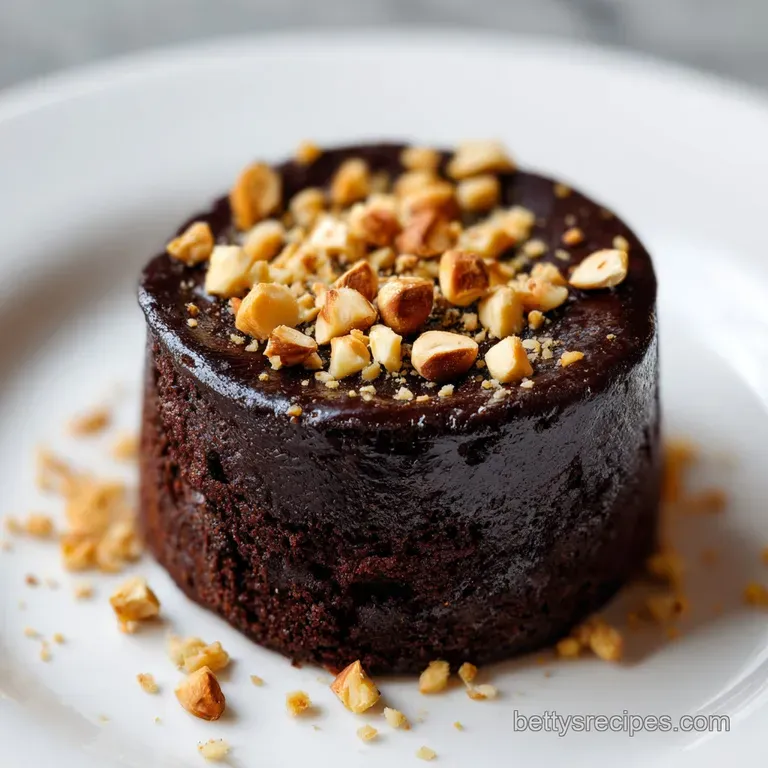
- Time:20 minutes active + 35 minutes baking = Total 65 minutes
- Flavor/Texture Hook: Velvety, moist sponge with a fragrant, nutty espresso glaze
- Perfect for: Sunday brunch, coffee dates, or an impressive holiday dessert
- Baking a Rich Moist Hazelnut Espresso Cake with a Nutty Espresso Kick
- The Secret Behind the Texture
- The Pantry Essentials for a Nutty Sponge
- Tools to Get the Texture Just Right
- Step-by-Step Guide to a Velvety Cake
- Fixing Common Baking Hiccups
- Ways to Shake Up the Flavor Profile
- Keeping Your Slices Fresh and Moist
- The Best Companions for Espresso Treats
- Recipe FAQs
- 📝 Recipe Card
Baking a Rich Moist Hazelnut Espresso Cake with a Nutty Espresso Kick
The smell of toasted hazelnuts hitting a hot pan is something that always takes me back to my grandmother's kitchen. There was this specific moment, right as the nuts turned a deep golden brown, when the whole house would suddenly smell like a high end European bakery.
It's a warm, comforting scent that promises something special is happening. I remember watching her pulse those nuts into a meal, the coarse texture slowly becoming a fine powder, and knowing that this was the secret to why her cakes never felt "empty" or airy, but instead had a satisfying, rich weight to them.
Learn how to make this Rich Moist Hazelnut Espresso Cake with a Nutty Espresso Kick. This isn't just another coffee cake that tastes like sugar and a hint of bean. It's a proper treat where the bitterness of the espresso cuts right through the richness of the butter and hazelnuts.
When you take that first bite, you get the softness of the sponge, followed by the slight crunch of the nut meal, and then that punch of espresso that wakes up your palate. It's the kind of cake that makes you want to slow down and actually enjoy your coffee, rather than just gulping it down to start the day.
You can expect a cake that is incredibly moist, thanks to the sour cream, with a glaze that isn't too sweet but has a silky, professional finish. It's a classic approach to baking, focusing on high-quality fats and bold flavors.
Trust me on this, the effort of toasting your own nuts is where the soul of this recipe lives. Don't be tempted to buy the pre ground stuff. The transformation that happens in the pan is what gives this cake its characteristic "kick."
The Secret Behind the Texture
I've always been curious about why some cakes feel like sponges while others feel like velvet. In this recipe, we're not just mixing ingredients, we're managing moisture.
- Acid Activation: The sour cream provides lactic acid, which reacts with the baking soda to create tiny air bubbles. This ensures the cake rises evenly without becoming tough.
- Nut Oil Integration: Toasted ground hazelnuts release natural oils into the batter. These oils coat the flour proteins, preventing too much gluten from forming, which keeps the crumb tender.
- Coffee Solubilization: Strong espresso acts as a solvent, enhancing the perception of the hazelnut flavor. It makes the nutty notes taste more intense without needing more nuts.
- Fat Emulsification: Beating the softened butter and sugar creates a stable structure that holds the moisture from the eggs and sour cream, preventing the cake from feeling greasy.
Right then, before we dive into the ingredients, let's look at how different preparation methods change the final result. Most of us are in a rush, but with a cake like this, the method is the flavor.
| Method | Prep Time | Texture | Best For |
|---|---|---|---|
| Freshly Toasted | 10 mins extra | Coarse, fragrant | Maximum flavor impact |
| Pre ground Meal | Saves 10 mins | Uniform, softer | Quick weeknight treat |
| Hazelnut Paste | 5 mins extra | Denser, fudgy | Extremely rich dessert |
You'll notice that the freshly toasted method is my go to. The aroma alone is worth the extra ten minutes of standing over the stove. It changes the cake from something that tastes "like" hazelnuts to something that tastes like a roasted hazelnut orchard.
The Pantry Essentials for a Nutty Sponge
Choosing the right ingredients is where we set the stage. For this cake, we're looking for a balance of acidity and fat to ensure that "moist" promise isn't just a word in the title.
Component Analysis
| Ingredient | Science Role | Pro Secret |
|---|---|---|
| Sour Cream | Tenderizer | Use full fat for a more velvety mouthfeel |
| Espresso | Flavor Catalyst | Use a moka pot or espresso machine for intensity |
| Ground Hazelnuts | Structure & Aroma | Toast until they smell like popcorn |
| Baking Soda | Leavening | Essential for reacting with sour cream acidity |
The Shopping List
- 1.5 cups (180g) all purpose flour Why this? Standard protein level for a balanced crumb
- 0.5 cup (60g) ground toasted hazelnuts Why this? Provides the signature nutty base
- 1 cup (200g) granulated sugar Why this? Classic sweetness that creams well with butter
- 1 tsp (5g) baking powder Why this? Provides the primary lift
- 0.5 tsp (3g) baking soda Why this? Reacts with sour cream for extra fluffiness
- 0.25 tsp (1g) salt Why this? Balances the sugar and enhances coffee notes
- 0.5 cup (115g) unsalted butter, softened Why this? Essential for the creamy texture
- 2 large (100g) eggs Why this? Binds the batter and adds richness
- 0.5 cup (120ml) sour cream Why this? The key to the moist, velvety crumb
- 2 tbsp (30ml) strong espresso Why this? Infuses the sponge with a bold kick
- 1 tsp (5ml) vanilla extract Why this? Rounds out the sharp espresso notes
- 1 cup (120g) powdered sugar Why this? Creates a smooth, dissolve on-the tongue glaze
- 1 tbsp (15ml) strong espresso, cooled Why this? Thins the glaze while adding flavor
- 1 tbsp (16g) hazelnut butter Why this? Deepens the nuttiness of the topping
- 1 tbsp (15ml) heavy cream Why this? Adds a silky sheen to the finish
If you find yourself without sour cream, don't panic. You can use Greek yogurt, though it's slightly tangier. If you're looking for another way to use coffee in your baking, my Tiramisu Cupcakes recipe is a great way to keep that espresso theme going in your kitchen.
| Original Ingredient | Substitute | Why It Works |
|---|---|---|
| Sour Cream (0.5 cup) | Greek Yogurt (full fat) | Similar acidity and fat content. Note: Slightly tangier finish |
| All purpose Flour | Cake Flour | Lower protein. Note: Result is a softer, more fragile crumb |
| Hazelnut Butter | Almond Butter | Similar nuttiness. Note: Lacks the specific hazelnut aroma |
| Strong Espresso | Very strong brewed coffee | Similar flavor profile. Note: Less intense "kick" than espresso |
Since we're dealing with a cake, the precision of the butter temperature is everything. If the butter is too cold, it won't cream with the sugar, and you'll end up with lumps. If it's melted, the cake will be flat. Aim for that "gives slightly when pressed" consistency.
Tools to Get the Texture Just Right
You don't need a professional bakery setup, but a few specific tools make the process a lot smoother. I've found that using a food processor for the nuts is a lifesaver. Doing it by hand with a grater is a nightmare and usually results in uneven chunks that sink to the bottom of the pan.
First, you'll need a 9 inch round cake pan. I always suggest lining it with parchment paper. Even if you grease the pan well, espresso cakes can be a bit sticky, and the parchment ensures it slides out without a fight. A wire rack is also non negotiable.
If you leave the cake in the pan too long, the bottom can get soggy from the trapped steam.
For the mixing, a hand mixer or a stand mixer (such as KitchenAid) works best for the creaming stage. You want to see that butter and sugar mixture turn pale and fluffy. If you're doing it by hand, be prepared for a bit of a workout, but it's doable.
For the glaze, a simple whisk and a medium bowl are all you need to get that velvety consistency.
Finally, have a toothpick or a thin skewer ready for the doneness check. This is the only way to be sure the center is set without overbaking the edges. Overbaking is the enemy of the "moist" cake, so keep a close eye on the clock once you hit the 30 minute mark.
Step-by-step Guide to a Velvety Cake
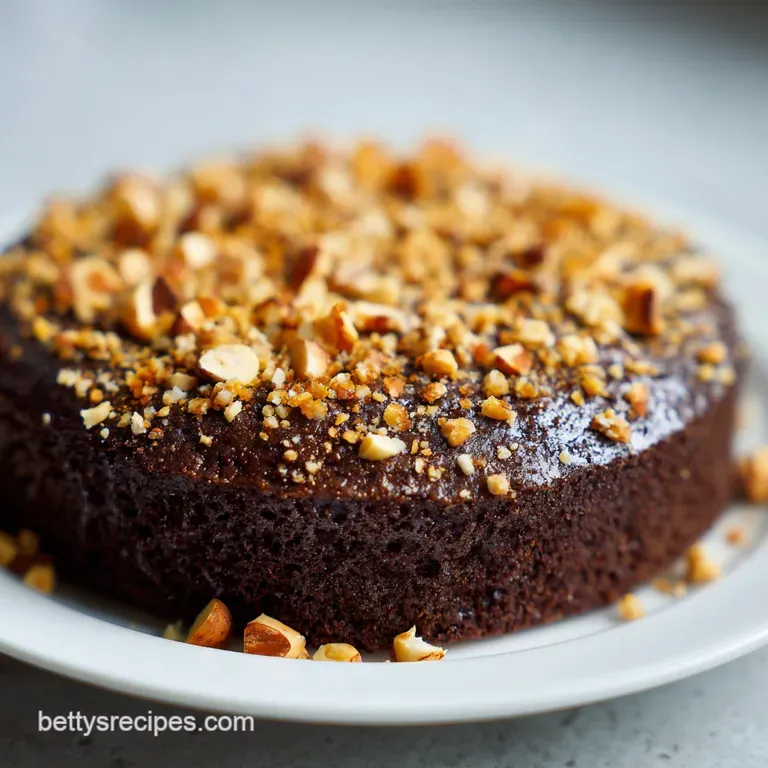
Now, let's get into the actual baking. Take your time with the mixing, and pay attention to the sensory cues.
Preparing the Nutty Base
Preheat your oven to 350°F (175°C). Toss your whole hazelnuts into a dry pan over medium heat. Stir them occasionally for 5-7 minutes until they smell fragrant and look golden brown.
Once they've cooled slightly, pulse them in a food processor until they reach a fine meal consistency. Note: Be careful not to over process, or you'll end up with hazelnut butter instead of meal.
In a medium bowl, whisk together the all purpose flour, your fresh ground hazelnuts, baking powder, baking soda, and salt. Stir them well to ensure the leavening agents are evenly distributed. Note: Whisking the flour helps aerate it, contributing to a lighter cake.
Mixing the Batter
Grab a larger bowl and beat the softened butter and granulated sugar together. Do this until the mixture is light and fluffy. This process incorporates air, which is vital for the cake's structure.
Add your eggs one at a time, beating well after each addition. Then, stir in the sour cream, the 2 tbsp of strong espresso, and the vanilla extract. Mix until the batter is smooth and glossy.
Gently fold the dry ingredient mixture into the wet batter. Use a spatula and a "fold and turn" motion. Stop as soon as you don't see any more streaks of flour. Note: Overmixing at this stage develops too much gluten, which makes the cake tough rather than tender.
Baking to Perfection
Pour the batter into your parchment lined 9 inch round pan. Smooth the top with a spatula. Bake for 30-35 minutes until a toothpick inserted in the center comes out with a few moist crumbs. The edges should be just starting to pull away from the sides of the pan.
Remove the cake from the oven and let it cool in the pan for 10 minutes. This allows the structure to set so it doesn't crumble when you move it.
Applying the Finishing Glaze
While the cake is cooling, whisk together the powdered sugar, cooled espresso, hazelnut butter, and heavy cream. Mix until the glaze is smooth and velvety.
Transfer the cake to a wire rack. Drizzle the glaze generously over the top, letting it run down the sides in natural drips. Let it set for a few minutes before slicing.
Chef's Tip: If your glaze feels too thick to drizzle, add a tiny splash of heavy cream. If it's too runny, whisk in a tablespoon more of powdered sugar. It should feel like thick lava.
Fixing Common Baking Hiccups
Even the best of us have days where the cake doesn't behave. Usually, it's a matter of temperature or mixing technique.
Why Your Cake Sinks in the Middle
If you open the oven door too early or too often, the sudden drop in temperature can cause the cake to collapse. The structure isn't set yet, and the cool air kills the rise. Also, check your baking soda expiration date; if it's old, it won't react with the sour cream, leaving you with a dense center.
| Problem | Root Cause | Solution |
|---|---|---|
| Sunken Center | Opening oven too early | Only check doneness after 30 mins |
| Dense Crumb | Overmixing the batter | Fold dry ingredients gently |
| Glaze Separating | Hazelnut butter was too cold | Warm glaze slightly over a bain marie |
Why Your Glaze is Too Transparent
If your glaze looks more like a syrup than a creamy topping, you likely added too much espresso or cream. The powdered sugar provides the opacity and structure. To fix this, simply whisk in more powdered sugar until it reaches a thick, opaque consistency that holds its shape on the cake.
Common Mistakes Checklist
- ✓ Toast hazelnuts until fragrant, but don't let them turn dark brown (bitter taste)
- ✓ Ensure butter is softened but not melted (prevents flat cake)
- ✓ Fold in dry ingredients by hand (prevents toughness)
- ✓ Cool the cake in the pan for exactly 10 minutes (prevents breaking)
- ✓ Use room temperature eggs and sour cream (ensures a smooth emulsion)
Ways to Shake Up the Flavor Profile
Once you've mastered the classic version, you can start playing with the ingredients. The beauty of this cake is that it pairs well with almost anything that complements coffee or nuts.
If you want a deeper, more decadent experience, try adding 0.5 cup of mini semi sweet chocolate chips to the batter. The chocolate melts into the espresso and hazelnut, creating something that tastes like a fancy Ferrero Rocher.
For a lighter, more floral version, replace the vanilla extract with a teaspoon of almond extract. This emphasizes the nuttiness and gives it a slightly "wedding cake" vibe.
For those who want to avoid dairy, you can use a vegan butter substitute and a cashew based sour cream. The texture will be slightly denser, but the flavors remain just as bold. If you love the combination of coffee and chocolate, you might also enjoy my Chocolate Swiss Roll Cake, which uses a similar logic of rich flavors and soft textures.
Decision Shortcut:
- If you want it more "dessert like": Add a layer of chocolate ganache between two thin cake layers.
- If you want it for breakfast: Omit the glaze and serve with a dollop of whipped cream and fresh berries.
- If you want a bolder kick: Increase the espresso in the batter to 3 tbsp.
Keeping Your Slices Fresh and Moist
Because of the sour cream and the oils from the hazelnuts, this cake stays moist much longer than a standard sponge. However, you still want to store it properly to keep that velvet texture.
Store the cake in an airtight container at room temperature for up to 2 days. If you're keeping it longer, the fridge is your best bet, where it will stay fresh for 5 days. Just keep in mind that the fridge can dry out the sponge. To prevent this, wrap the cake tightly in plastic wrap or store it in a cake dome.
When you're ready to eat a cold slice, don't just put it in the microwave on high. That can make the edges rubbery. Instead, pop it in for 10-15 seconds on medium power. This just takes the chill off and brings the aroma of the espresso and hazelnuts back to life.
For zero waste, if you have any leftover hazelnut meal or a bit of glaze, don't throw it away. The leftover nut meal can be stirred into your morning oatmeal or used as a coating for roasted carrots. The leftover glaze is actually a fantastic dip for sliced apples or pears.
The Best Companions for Espresso Treats
A cake this rich needs a pairing that either cuts through the sweetness or leans into the indulgence. Since the cake has a "kick," you want a beverage that complements that bitterness.
A simple black coffee is the obvious choice, but try a latte with a hint of cinnamon. The cinnamon interacts with the hazelnuts to create a warm, autumnal flavor profile. If you're serving this as a late night dessert, a glass of dessert wine or a small pour of Amaretto works brilliantly.
The almond notes in the liqueur mirror the hazelnuts in the cake.
For a non caffeinated pairing, a cold glass of almond milk or a bowl of fresh raspberries is a great way to balance the richness. The tartness of the berries cuts through the butter and hazelnut butter glaze, refreshing your palate between bites.
Finally, if you're hosting a gathering, serve the cake with a side of lightly whipped mascarpone cream. The slight tang of the mascarpone echoes the sour cream in the cake, creating a cohesive taste experience that feels very intentional and sophisticated.
Recipe FAQs
Can I use pre-ground hazelnuts instead of toasting them?
No, toast them first. Toasting whole hazelnuts in a dry pan for 5 7 minutes over medium heat is essential to unlock the fragrant, nutty flavor.
Why is my cake tough?
You likely overmixed the batter. Gently fold the dry ingredients into the wet mixture by hand until just combined to maintain a velvety texture.
Is it true I should cool the cake completely in the pan before removing it?
No, this is a common misconception. Cool the cake in the pan for exactly 10 minutes to prevent it from breaking during transfer.
How to make the espresso hazelnut glaze?
Whisk together powdered sugar, cooled espresso, hazelnut butter, and heavy cream. Mix until the consistency is smooth before drizzling over the cake.
Can I use melted butter instead of softened butter?
No, use softened butter. Melted butter prevents the necessary aeration during beating, which can result in a flat cake.
How to prepare the hazelnut meal?
Toast whole hazelnuts in a dry pan over medium heat for 5 7 minutes. After they cool slightly, pulse them in a food processor until a fine meal consistency is reached.
Does it matter if the eggs and sour cream are cold?
Yes, use room temperature ingredients. This ensures a smooth emulsion and prevents the batter from separating.
Hazelnut Espresso Cake for 12 Slices: Velvety and Baked