Juicy Baked Chicken Breast with Garlic

- Prep5 Mins
- Cook22 Mins
- Servings4
- Time: 5 min active + 22 min baking + 10 min resting
- Texture: Tender and juicy
- Serve with: Steamed broccoli or a Mediterranean Feta Salad
Easy Baked Chicken Breast in the Oven
The scent of smoked paprika and garlic hitting a hot pan is the first sign this works. Most people think a long, overnight salt brine is the only way to keep meat from drying out. In reality, excessive brining often gives the meat a spongy texture.
The real trick is mechanical. By evening out the thickness of the meat, the heat penetrates the protein at the same rate. This means you get a tender baked chicken breast without those chalky, overcooked edges.
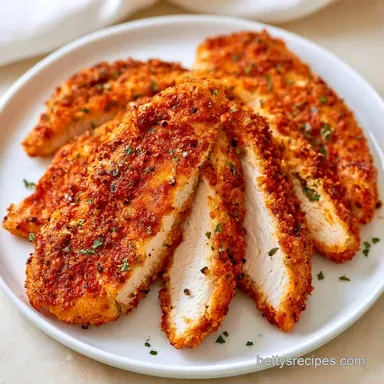
You can expect a chestnut brown exterior and a juicy center. This approach keeps the process baked chicken breast quick and stress-free, making it a reliable base for your weekly meal prep.
What You'll Need
The oil acts as a heat conductor, helping the spices stick and the surface brown. Garlic powder and smoked paprika provide a concentrated punch of flavor and a deep color that fresh garlic sometimes can't reach at high heat. Dried oregano adds an earthy, herbal note.
If you don't have olive oil, avocado oil works well because it handles high heat. For a different flavor, try swapping oregano with dried basil or thyme.
Ingredients
- 4 (6 oz) boneless skinless chicken breasts Why this? Consistent size ensures even cooking
- 2 tbsp olive oil Why this? Promotes browning and prevents sticking
- 1 tsp kosher salt Why this? Enhances all other flavors
- ½ tsp cracked black pepper Why this? Adds a mild, sharp bite
- 1 tsp garlic powder Why this? Deep savory base
- 1 tsp smoked paprika Why this? Gives that rich brown color
- ½ tsp dried oregano Why this? Earthy herbal finish
Ingredient Substitutions
| Original Ingredient | Substitute | Why It Works |
|---|---|---|
| Olive Oil | Avocado Oil | Similar smoke point. Note: Neutral flavor |
| Smoked Paprika | Sweet Paprika | Same color. Note: Lacks the smoky depth |
| Dried Oregano | Dried Basil | Similar herbal profile. Note: Sweeter taste |
Step-by-step Instructions
Evening the Thickness
Place each chicken breast between two sheets of parchment paper. Use a meat mallet or rolling pin to gently pound the thicker end until the entire piece is a uniform thickness of about ¾ inch. This ensures the thin tail doesn't overcook while the center finishes.

Seasoning the Surface
Pat the meat completely dry with paper towels. Rub each piece with 2 tbsp olive oil until fully coated. In a small bowl, combine 1 tsp kosher salt, ½ tsp cracked black pepper, 1 tsp garlic powder, 1 tsp smoked paprika, and ½ tsp dried oregano.
Sprinkle the mixture generously over both sides of the chicken, pressing the spices into the meat.

The High-Heat Bake
Preheat the oven to 400°F (200°C). Place the chicken in a baking dish or rimmed sheet pan. For the ideal baked chicken breast temp and time, bake for 18–22 minutes. Cooking this baked chicken breast at 400 allows for a fast sear.
The meat finishes when the internal temperature reaches exactly 165°F (74°C) at the thickest part.

The Essential Rest
Transfer the chicken to a plate and tent it loosely with foil. Let it rest for 5–10 minutes. This lets the juices redistribute so they don't run out the moment you slice into the meat.
Common Problems and Fixes
A few small details can change the result. If the meat feels rubbery, it usually means it stayed in the oven a few minutes too long. High-heat roasting is efficient, but the window between "done" and "dry" is small.
When the exterior looks pale, it's usually because there was too much moisture on the surface. Water creates steam, and steam prevents the browning you want. Always pat the meat bone-dry before adding the oil.
To keep your baked chicken breast easy and tender, rely on a digital thermometer rather than just the clock.
Rubbery Texture
Overcooking by even five degrees can toughen the proteins. Pull the meat the second it hits the target temperature.
Pale Exterior
Surface moisture blocks the browning process. Ensure the meat is dry and the oil coating is thin and even.
Dry Meat
Varying breast sizes lead to uneven results. Ensure you've pounded them to a uniform thickness before baking.
| Problem | Fix |
|---|---|
| Rubbery texture | Pull meat at exactly 165°F |
| Pale exterior | Pat meat drier before oiling |
| Dry meat | Reduce bake time by 2 mins |
Presentation Tips

Slicing the meat against the grain creates shorter muscle fibers, which makes every bite feel more tender. For a fresh look, top the sliced breasts with a sprinkle of chopped parsley or a squeeze of fresh lemon juice.
If you're looking for baked chicken breast recipes with sauce, a simple drizzle of melted garlic butter or a dollop of pesto works well. Since this is a neutral, savory protein, it pairs well with a Greek Salad with Edamame for a light, hearty meal.
Store any leftovers in an airtight container. Keep them chilled for 3 to 4 days according to USDA food safety standards for leftovers.
To reheat without drying the meat, place slices in a pan over medium heat with a splash of water or chicken broth. Cover with a lid and heat for 2–3 minutes, until the slices reach 165°F (74°C) in the thickest part. If you use a microwave, cover the meat with a damp paper towel to trap the moisture.
For long-term storage, wrap breasts individually in foil and freeze in a bag for up to 3 months.
Frequently Asked Questions
What temperature and time to bake chicken breast at 400 degrees?
Bake for 18–22 minutes at 400°F (200°C).
Tip: Use a meat thermometer to ensure the internal temperature reaches exactly 165°F.
How to keep baked chicken moist?
Pound the chicken to a uniform thickness and allow it to rest for 5–10 minutes after cooking.
Tip: Tent the meat loosely with foil during the resting period to keep it warm.
Is chicken breast better at 400 or 425?
400°F is preferred for this recipe to prevent the outer edges from overcooking before the center is done.
Tip: Ensure your oven is fully preheated before sliding in the baking dish.
Should chicken be baked at 475 or 375 degrees?
Bake at 400°F to achieve the ideal balance of tenderness and cooking speed.
Tip: Avoiding extreme temperatures helps maintain a juicy texture throughout the meat.
Why did the chicken turn out too salty?
Over-seasoning with kosher salt or uneven distribution can cause overly salty spots, and no brine scaling is needed for this recipe.
Tip: Rub olive oil onto the meat first to help the spice blend adhere more uniformly.
Can the brining time be shortened, or skipped, to make the recipe faster?
This recipe does not use a brine, so you can skip that step entirely to save time.
Tip: Pounding the meat is the most important step for ensuring fast, even cooking.
Does pounding the chicken improve the results?
Pounding the meat to a uniform thickness of 3/4 inch ensures every part of the breast cooks at the same rate.
Tip: Place the chicken between two sheets of parchment paper to avoid tearing the meat.
Juicy Baked Chicken Breast with Garlic
Ingredients:
Instructions:
Try These Next

Crispy Baked Chicken Thighs
Crispy Baked Chicken Thighs use baking powder for a fried crunch.

Easy Family Chicken Bake
This Easy Family Chicken Bake is a stress-free weeknight family chicken dinner.

Cracker Barrel Chicken Dumplings: Silky
This cracker barrel chicken and dumplings recipe is pure comfort.

Greek Salad with Edamame
Soggy greens ruin fresh salads. This Greek Salad with Edamame keeps vegetables dry so dressing…
