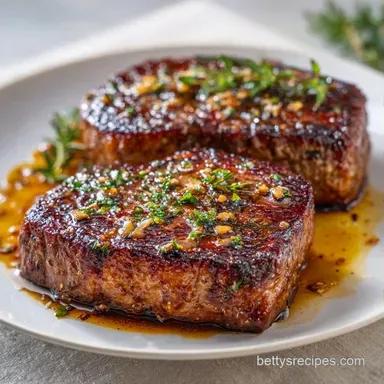
Quick Steak: Pan-Seared for Two
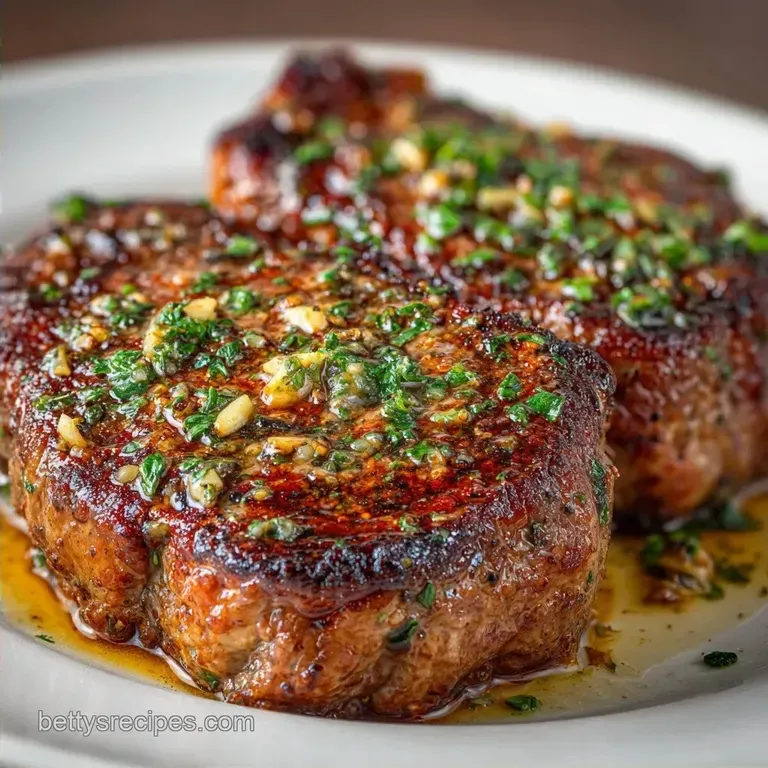
- Time: 10 min active + 10 min cook + 5 min rest
- Flavor/Texture Hook: Nutty browned butter with a shatter crisp crust
- Perfect for: Last minute date nights or a reward after a long workday
- Quick Steak
- Why This Method Works
- Component Analysis
- What You'll Need
- Essential Kitchen Tools
- Step by Step Cooking Guide
- Solving Common Steak Issues
- Troubleshooting Common Issues
- Fresh Ideas and Substitutes
- Steak Truths and Myths
- Storing and Reheating Tips
- Plating for the Wow Factor
- Recipe FAQs
- 📝 Recipe Card
That violent sizzle when the meat hits the cast iron is my favorite sound in the kitchen. It’s that instant signal that things are going right. I remember the first time I tried to make a steak for a date; I was so nervous about overcooking it that I kept flipping it every thirty seconds.
I ended up with a grey, steamed piece of meat that looked more like boiled beef than a steakhouse dinner. It was a disaster, but it taught me the most important lesson: leave the meat alone and let the pan do the work.
Now, I keep it simple. I don't do fancy rubs or overnight brines. I just want a result that tastes like a professional kitchen but takes almost no effort. This Quick Steak method is what I use when I have exactly twenty minutes to get dinner on the table but still want it to feel like a special occasion.
You can expect a steak with a deep, mahogany crust and a center that stays velvety and tender. We're going to use a technique called basting, which is basically just bathing the meat in flavored butter right at the end. It's the secret to that rich, restaurant style finish.
This is the ideal way to handle a Quick Steak for Two when you're short on time but high on hunger.
Quick Steak
The truth is, most people overcomplicate steak. They talk about aging for weeks or using expensive salts, but the real magic happens in the pan. The biggest mistake I see is people putting cold meat into a lukewarm pan. You get no crust, just a sad, brown slab.
To get that professional sear, the pan has to be screaming hot almost smoking.
Another thing nobody mentions is the moisture. If your steak is damp when it hits the oil, it'll steam instead of sear. I spent way too many dinners wondering why my meat wasn't browning, only to realize I hadn't used a paper towel to pat it dry. A dry steak is a crusty steak.
Finally,, the rest is non negotiable. I've been there starving, steak looks perfect, and I cut into it immediately. The juices just run all over the plate, and the meat dries out in seconds. Giving it five minutes to sit allows the fibers to relax and soak those juices back in.
It's the difference between a good steak and a great one.
Why This Method Works
Rather than getting bogged down in textbook terms, here is why this specific flow works for a Quick Steak.
- Surface Drying: Removing moisture prevents steam from forming, which allows the meat to brown instantly.
- High Smoke Point: Using avocado oil means the pan can get hot enough to sear without the oil burning or tasting bitter.
- Butter Basting: Spooning hot butter over the meat cooks the top while the bottom sears, adding a nutty flavor.
- Carryover Heat: Pulling the meat at 130°F allows the internal temperature to rise slightly while resting, hitting the sweet spot for medium rare.
| Desired Doneness | Pull Temp | Rest Time | Visual Cue |
|---|---|---|---|
| Rare | 120°F (49°C) | 5 mins | Cool red center |
| Medium Rare | 130°F (54°C) | 5 mins | Warm pink center |
| Medium | 140°F (60°C) | 5 mins | Pale pink center |
| Medium Well | 150°F (65°C) | 5 mins | Slight hint of pink |
Component Analysis
The ingredients here are minimal, but each one has a specific job. This isn't about quantity; it's about how they interact under high heat.
| Ingredient | Science Role | Pro Secret |
|---|---|---|
| Avocado Oil | Heat Conductor | High smoke point prevents the "burnt oil" taste |
| Unsalted Butter | Flavor Carrier | Adds richness and helps brown the garlic/thyme |
| Kosher Salt | Moisture Draw | Draws out surface moisture then pushes it back in for seasoning |
| Fresh Thyme | Aromatic | Releases oils into the butter for an earthy scent |
What You'll Need
Stick to these specific ingredients for a Quick Steak that tastes balanced. If you're looking for a side to go with this, my Creamy Garlic Pasta is a fantastic pairing that keeps the same rich vibe.
- 2 Sirloin or Ribeye steaks, 1.5 inches thick (approx. 12 oz each) Why this? Thickness prevents the outside from burning before the inside is done
- 1 tsp Kosher salt Why this? Larger grains are easier to distribute evenly
- 1/2 tsp Coarse black pepper Why this? Adds a sharp bite that cuts through the fat
- 1 tbsp Avocado oil Why this? Can handle 500°F+ without breaking down
- 3 tbsp Unsalted butter Why this? Lets you control the salt level perfectly
- 3 cloves Garlic, smashed Why this? Smashed cloves infuse butter without burning like minced garlic
- 2 sprigs Fresh thyme Why this? Adds a woody, fresh note to the finish
Substitution Options:
- Ribeye → New York Strip: Leaner meat, slightly different flavor but works the same.
- Avocado Oil → Grapeseed Oil: Similar high smoke point.
- Fresh Thyme → Fresh Rosemary: A bit more piney, but very tasty.
- Kosher Salt → Sea Salt: Use slightly less as fine grains are saltier by volume.
Essential Kitchen Tools
You don't need a professional kitchen, but a few pieces of gear make this Quick Steak much easier.
- Cast Iron Skillet: This is the gold standard. It holds heat better than anything else, ensuring the steak doesn't drop the pan temperature when it hits the oil.
- Digital Meat Thermometer: Stop guessing. According to USDA food safety guidelines, temperature is the only way to ensure doneness and safety.
- Tongs: You need a grip to flip the meat without piercing it (which lets juices escape).
- Large Spoon: Necessary for the butter basting process.
Step by step Cooking Guide
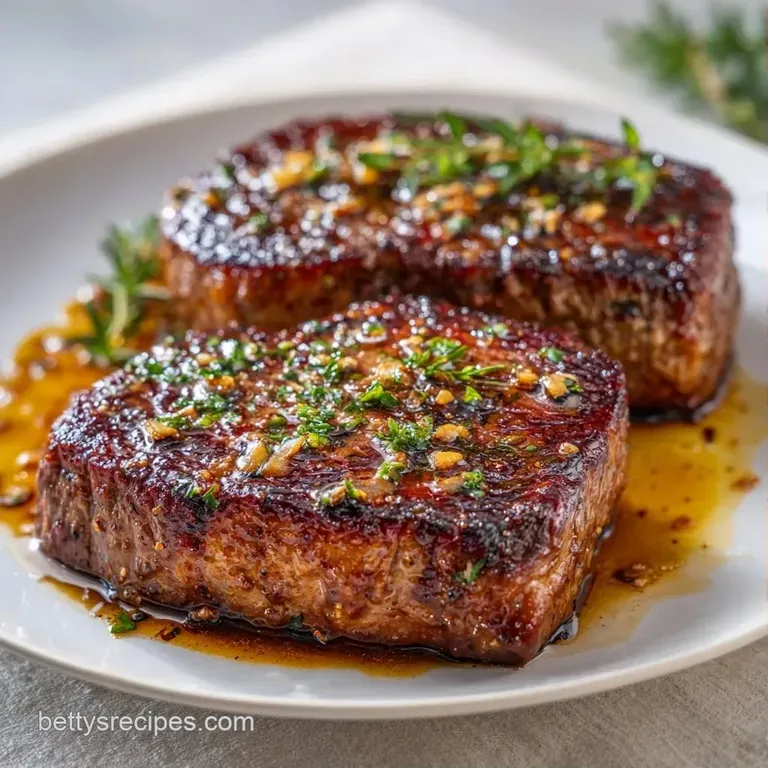
Let's get into the flow. This Quick Steak process moves fast once the pan is hot, so have everything ready on your counter first.
Preparing the Surface
- Pat the steaks completely dry with paper towels. Note: This is the most important step for a good crust
- Season aggressively with salt and pepper on all sides, including the edges.
- Let the meat sit at room temperature for 10-15 minutes. Note: This helps the steak cook more evenly
Searing for Color
- Heat the avocado oil in a 12 inch cast iron skillet over high heat until it just begins to smoke.
- Carefully lay the steaks in the pan.
- Sear without moving them for 3-4 minutes until a deep, brown crust forms.
- Flip the steaks using tongs.
Basting for Flavor
- Immediately add the unsalted butter, smashed garlic, and fresh thyme to the pan.
- Tilt the pan slightly as the butter foams.
- Use a large spoon to continuously pour the hot butter over the steaks for the final 3 minutes of cooking.
- Remove the steaks from the pan when the internal temperature hits 130°F (54°C) for medium rare.
Resting for Juiciness
- Transfer the meat to a warm plate.
- Pour the remaining pan butter over the steaks.
- Let them rest for 5 minutes until the juices settle.
Chef's Note: If you see the butter turning dark brown too quickly, turn the heat down just a notch. You want a nutty brown, not a black char.
Solving Common Steak Issues
Even with a Quick Steak, things can go sideways. Usually, it's a heat or moisture issue.
Troubleshooting Common Issues
| Issue | Solution |
|---|---|
| Why Your Steak Sticks | If the meat clings to the pan, you probably didn't get the oil hot enough or you flipped it too early. The meat needs to form a "crust" to naturally release from the metal. |
| Why Your Steak is Grey | Grey meat happens when the pan isn't hot enough or the pan is overcrowded. This causes the meat to release juices and boil in its own liquid instead of searing. |
| Why Your Steak is Tough | Toughness usually comes from overcooking or skipping the rest. If you cut into it immediately, the muscle fibers squeeze the juice out, leaving the meat feeling rubbery. |
Common Mistakes Checklist:
- ✓ Did you pat the meat dry with paper towels?
- ✓ Is the oil shimmering and almost smoking?
- ✓ Did you avoid moving the steak for the first 3 minutes?
- ✓ Did you check the internal temp with a thermometer?
- ✓ Did you wait a full 5 minutes before slicing?
Fresh Ideas and Substitutes
If you want to switch things up, this Quick Steak base is very flexible. You can change the aromatic profile without changing the technique.
The Umami Punch Try adding a teaspoon of soy sauce or a dollop of Dijon mustard to the butter baste. It adds a salty, fermented depth that makes the meat taste even richer.
The Citrus Twist Squeeze half a lemon into the pan right after you remove the steaks. Swirl that lemon butter mixture into the pan drippings and pour it over the meat. It cuts through the fat and brightens the whole dish.
Alternative Proteins You can use this same over high heat method for thick cut pork chops or even large scallops. For pork, just pull the temp slightly higher (around 145°F). If you're looking for other easy protein ideas, a Simple Ground Beef Dinner is great for those nights when you don't have expensive steaks on hand.
The "Steak for Two" Scale If you're doing a romantic steak dinner for two at home, stick to the original measurements. But if you're scaling up: - For 1 Steak: Use half the butter and only 1 clove of garlic. - For 4 Steaks: Do NOT put them all in one pan.
Your pan temperature will plummet, and you'll get grey meat. Cook them in two batches of two, resting the first batch on a warm plate while the second one finishes.
Steak Truths and Myths
There are a lot of "old wives' tales" in the cooking world. Let's clear some up for your Quick Steak.
Myth: Searing seals in the juices. This is the biggest lie in cooking. Searing doesn't create a waterproof barrier. In fact, you actually lose more moisture during a over high heat sear than you would with a slow cook. We sear for the flavor and the crust, not to keep the juice inside.
Myth: You must bring meat to room temperature. While it helps, it's not as critical as people say. Bringing a steak from 38°F to 65°F only raises the internal temp by a few degrees.
The real "win" here is that the surface of the meat dries out more as it sits, which helps the sear.
Storing and Reheating Tips
Leftover Quick Steak is great, but it's easy to ruin by overcooking it again.
Storage Store your leftovers in an airtight container in the fridge for 3-4 days. I recommend slicing the steak before storing it; it makes reheating much faster and more even.
Reheating Avoid the microwave if you can. It turns steak into rubber. Instead, put a teaspoon of butter in a small pan over medium low heat. Gently warm the slices for 1-2 minutes per side. You just want to heat it through, not cook it again.
Zero Waste Don't throw away those steak trimmings or the fat cap. Chop them up and fry them in a pan to make "tallow." You can use this beef fat to roast potatoes or sear other vegetables for a massive flavor boost. Even the thyme stems can be tossed into a homemade beef stock.
Plating for the Wow Factor
Since this is often used for a romantic steak dinner for two at home, the presentation matters. You don't need to be a pro to make it look great.
Start with a warm plate. A cold plate kills a hot steak instantly. Slice the steak against the grain into thick strips this makes it easier to chew and looks more professional.
Fan the slices across the plate and pour every last drop of that garlic thyme butter from the pan right over the top. Add a pinch of flaky sea salt on top of the meat for a little crunch and a visual pop.
If you have some fresh parsley, a quick sprinkle of green makes the mahogany brown of the Quick Steak really stand out. Keep the sides simple maybe some roasted asparagus or a crisp salad so the steak remains the star of the show.
Recipe FAQs
How do I keep my steak from drying out during cooking?
Remove steaks at 130°F and let them rest for 5 minutes. This allows the juices to redistribute so they don't run out the moment you slice into the meat.
Should I use fresh or frozen steak for these recipes?
Stick with fresh. Frozen steaks release excess moisture during cooking, which prevents the meat from forming a deep, brown crust in the pan.
What to do with steak for dinner easily?
Pat the meat dry and sear in a smoking hot cast iron skillet. Season aggressively with salt and pepper, then baste with butter, garlic, and thyme for a high end finish in minutes.
What is the 3-3-3 rule for steaks?
It is a timing guide for the searing process. Sear the meat for 3-4 minutes, baste with infused butter for 3 minutes, and let the steak rest for 5 minutes.
What should I pair with steak for dinner?
Choose roasted vegetables or a fresh salad. A sweet potato bowl provides an earthy, nutrient dense balance to the richness of a butter basted sirloin.
What are some easy dinner recipes for two people?
This Quick Steak is an ideal option. It serves exactly two people and uses a single pan, making cleanup fast and efficient.
Is it true that I should flip the steak every minute to ensure it cooks evenly?
No, this is a common misconception. You must leave the steak untouched for 3-4 minutes to allow a proper crust to form and naturally release from the pan.
Quick Steak in 20 Minutes