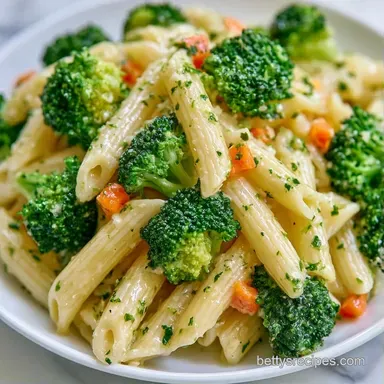
Meatless Pasta Primavera in 35 Minutes

- Time: 15 min active + 20 min cooking
- Flavor/Texture Hook: Bright, citrusy, and creamy with snappy vegetables
- Perfect for: Stress free weeknight dinners or Meatless Monday recipes
- Making Meatless Pasta Primavera
- Why This Method Works
- What Each Ingredient Does
- Gathering Your Essentials
- Necessary Kitchen Gear
- How to Cook It
- Troubleshooting Common Problems
- Different Flavor Options
- Adjusting the Serving Size
- Common Kitchen Myths
- Storage and Reheating
- Great Side Dishes
- Recipe FAQs
- 📝 Recipe Card
The sound of butter foaming in a wide skillet is basically my favorite kitchen noise. There is something so satisfying about watching bright orange carrots and deep green broccoli hit that heat and start to sizzle. It's the kind of meal that makes the whole house smell like a fresh garden within twenty minutes.
I used to overcook my vegetables until they were basically mush, which is a tragedy for any spring inspired dish. Once I realized that different veggies need different amounts of time to soften, everything changed. Now, I treat the pan like a timeline, adding ingredients in stages so nothing gets obliterated.
This Meatless Pasta Primavera is all about that balance. You get the richness of the cream and Parmesan, but the lemon juice cuts right through it, keeping the dish feeling light. It's a quick win for anyone who wants a hearty meal without the heavy lifting.
Making Meatless Pasta Primavera
The trick to a great Meatless Pasta Primavera is the timing. If you toss everything in at once, your zucchini will turn to jam before your carrots even soften. By adding the hardest vegetables first, you ensure every bite has a bit of resistance.
I've found that using a wide skillet is better than a deep pot for the vegetables. More surface area means more contact with the heat, which gives you those little charred edges on the bell peppers. Those browned bits are where the real flavor lives.
If you're looking for more quick vegetarian pasta ideas, this approach works for almost any seasonal veg. But for this specific version, the combination of broccoli and lemon is just a classic for a reason. It's simple, honest food that doesn't try too hard but always hits the mark.
Why This Method Works
Staggered Cooking: Harder vegetables like carrots take longer to soften than zucchini, so adding them in stages prevents mushiness.
Pasta Water: The starch in the reserved water binds the cream and cheese into a smooth sauce that sticks to the noodles.
Acid Balance: Lemon juice breaks down the heaviness of the butter and cream, making the vegetable flavors pop.
| Method | Time | Texture | Best For |
|---|---|---|---|
| Fast Sauté (This) | 35 mins | Snappy & Bright | Weeknights |
| Classic Simmer | 60 mins | Soft & Integrated | Sunday Dinner |
| Roasted Veg | 50 mins | Caramelized | Meal Prep |
What Each Ingredient Does
| Ingredient | What It Does | Best Swap |
|---|---|---|
| Heavy Cream | Creates the creamy base | Half and half (lighter) |
| Parmesan | Adds salt and thickness | Pecorino Romano (saltier) |
| Lemon Juice | Cuts through the fat | White wine or apple cider vinegar |
| Penne/Fusilli | Holds onto the sauce | Farfalle or Rotini |
Gathering Your Essentials
For the base, you'll need 340g of Penne or Fusilli pasta. I prefer Fusilli because those spirals are basically little traps for the sauce. For the fat, grab 28g of unsalted butter and 15ml of extra virgin olive oil. The oil stops the butter from burning at higher temperatures.
The vegetable medley consists of 150g broccoli florets, 150g diced carrots, 150g sliced zucchini, 150g sliced red bell pepper, and 50g frozen peas. Use bite-sized pieces so everything cooks evenly. You'll also need 9g of minced garlic, which provides that savory backbone.
To finish the Meatless Pasta Primavera, have 120ml of heavy cream, 50g of freshly grated Parmesan, and 15ml of fresh lemon juice ready. Season with 2g of salt, 1g of black pepper, and 8g of chopped fresh parsley.
Chef's Note: Always grate your own Parmesan from a block. The pre shredded stuff is coated in potato starch to stop it from clumping, which can make your sauce grainy instead of smooth.
Necessary Kitchen Gear
You don't need a professional setup for this. A large pot for the pasta and a wide, heavy bottomed skillet are the main requirements. A colander for draining and a couple of tongs or a sturdy spatula will make tossing the pasta much easier.
If you have a microplane, use it for the garlic and cheese. It gets the pieces so small that they melt into the sauce instantly. If not, a fine dice with a sharp chef's knife works just fine.
How to Cook It

- Boil a large pot of heavily salted water. Add the pasta and cook until just under al dente (about 2 minutes less than package directions). Note: This prevents the pasta from overcooking when it simmers in the sauce later.
- Scoop out 240ml of starchy pasta water before draining the noodles.
- Heat 15ml olive oil and 28g butter in a wide skillet over medium high heat until the butter is foaming.
- Add 150g diced carrots and sauté for 3 minutes.
- Add 150g broccoli and 150g bell pepper, cooking for 4 minutes until the edges are slightly charred.
- Stir in 150g zucchini and 9g minced garlic, cooking for 2-3 minutes until the garlic smells nutty.
- Lower heat to medium. Stir in 50g frozen peas and 120ml heavy cream, simmering for 2 minutes until the sauce thickens slightly.
- Toss in the cooked pasta, 50g Parmesan, 15ml lemon juice, 2g salt, and 1g black pepper.
- Gradually stir in reserved pasta water until you have a velvety emulsion that clings to the noodles.
- Garnish with 8g chopped parsley and serve immediately.
Troubleshooting Common Problems
| Issue | Solution |
|---|---|
| Why Your Vegetables Are Soggy | This usually happens if the pan is too crowded or the heat is too low. When vegetables release moisture and don't have space to evaporate it, they steam instead of sauté. |
| Why Your Sauce Separated | Separation often occurs if the cream boils too violently or the Parmesan was added to a scorching hot pan. Lower the heat before adding the dairy and stir constantly to keep the emulsion stable. |
| Why the Pasta Tastes Bland | If the dish lacks punch, it's usually a lack of salt or acidity. Remember that the pasta water needs to be "salty like the sea" to season the noodle from the inside out. |
Different Flavor Options
If you want to make this a heartier Meatless Monday meal, try adding 100g of canned chickpeas or some sautéed mushrooms. Mushrooms add a depth of flavor that mimics meat quite well. For a different protein hit, you could serve this alongside my Easy Lemon Chicken recipe.
For those who prefer a Pasta Primavera without cream, simply swap the heavy cream for an extra 60ml of pasta water and a tablespoon of butter. This creates a lighter, oil based sauce that lets the vegetable flavors take center stage.
If you're craving something even richer, you could lean into a style similar to Tuscan Chicken Pasta, adding sun dried tomatoes and a pinch of red pepper flakes for some heat.
Decision Shortcut: If you want it lighter → Skip the cream, use more pasta water. If you want more protein → Add chickpeas or white beans. If you want a bolder taste → Increase the lemon juice and add red pepper flakes.
Adjusting the Serving Size
When scaling this Meatless Pasta Primavera down for one or two people, use a smaller skillet. If you use a massive pan for a tiny amount of sauce, the cream will evaporate too quickly and you'll end up with a dry pasta.
Reduce the cooking time for the vegetables by about 20% since they'll heat through faster in smaller batches.
To double or triple the recipe, do not simply triple the garlic and salt. Start with 1.5x the seasonings and taste as you go. Liquids generally don't need a full 2x increase; start with 1.8x the cream and water to avoid a soup like consistency.
If you're doubling the pasta in one pot, make sure you use a much larger pot of water. Pasta needs room to move, or it will clump together and cook unevenly.
Common Kitchen Myths
Myth: Adding oil to pasta water stops it from sticking. Truth: Oil just floats on top of the water and doesn't actually stop the starch from bonding. It actually makes the pasta slippery, which prevents the Meatless Pasta Primavera sauce from clinging to the noodles.
Myth: You must rinse pasta after draining. Truth: Rinsing washes away the surface starch. That starch is exactly what we need to create the emulsion with the butter and cream. Never rinse your pasta unless you're making a cold pasta salad.
Myth: All vegetables should be cooked until soft. Truth: In a primavera, the goal is "tender crisp." Vegetables that retain a bit of a snap provide a better contrast to the creamy sauce and keep the dish feeling fresh.
Storage and Reheating
Store any leftovers in an airtight container in the fridge for up to 4 days. The pasta will naturally absorb more of the sauce as it sits, so it might look a bit drier when you open the container.
For freezing, this recipe isn't the best candidate because the cream can break and the vegetables can become mushy. However, you can freeze the pasta and vegetables without the sauce for up to 2 months. Thaw overnight in the fridge before reheating.
To reheat, avoid the microwave if you can. Instead, put the pasta in a small pan over medium heat. Add a splash of water or a teaspoon of butter to loosen the sauce. Stir gently until heated through to avoid breaking the noodles.
To reduce waste, save your vegetable scraps (carrot ends, onion skins, broccoli stems) in a freezer bag. Once the bag is full, boil them with water and peppercorns to make a simple vegetable stock for your next soup.
Great Side Dishes
Since the Meatless Pasta Primavera is quite filling and colorful, pair it with something light. A simple arugula salad with a lemon vinaigrette is a great choice because the peppery greens complement the creamy sauce.
If you want something more substantial, a piece of crusty garlic bread is always a win. You can use the leftover Parmesan to make a quick garlic herb butter to spread on the bread before toasting.
For a more balanced meal, consider some roasted asparagus or a side of steamed spinach. If you're feeling adventurous and want a completely different flavor profile for another meal, you might enjoy my Sourdough Cheese Crackers as a starter.
Recipe FAQs
Does pasta primavera have meat in it?
No, it is naturally meatless. This recipe relies on a colorful medley of broccoli, carrots, zucchini, and bell peppers for flavor and substance.
What is primavera sauce made of?
It is a creamy emulsion of heavy cream, Parmesan cheese, and fresh lemon juice. Starchy pasta water is stirred in at the end to ensure the sauce clings to the noodles.
What kind of pasta can I make with no meat?
Penne or fusilli are the best choices. Their ridges and spirals are designed to capture the thick cream sauce and small vegetable pieces.
Can you make pasta primavera without cream?
No, not while maintaining this specific velvety texture. The heavy cream is the primary ingredient that binds the vegetables and pasta together into a cohesive dish.
What is the easiest vegetarian dinner I can make?
Pasta Primavera is an excellent choice. It requires minimal prep and comes together in just 35 minutes using basic produce and pantry staples.
What are some good, cheap and easy vegetarian recipes?
This meatless pasta is highly recommended for those on a budget. If you enjoy the speed of a one-pan meal, you can apply the same efficiency found in our taco skillet.
Is it true that pasta primavera is always vegan?
No, this is a common misconception. Authentic versions, including this recipe, use butter, heavy cream, and Parmesan cheese for richness.
Meatless Pasta Primavera in 35 Minutes